

















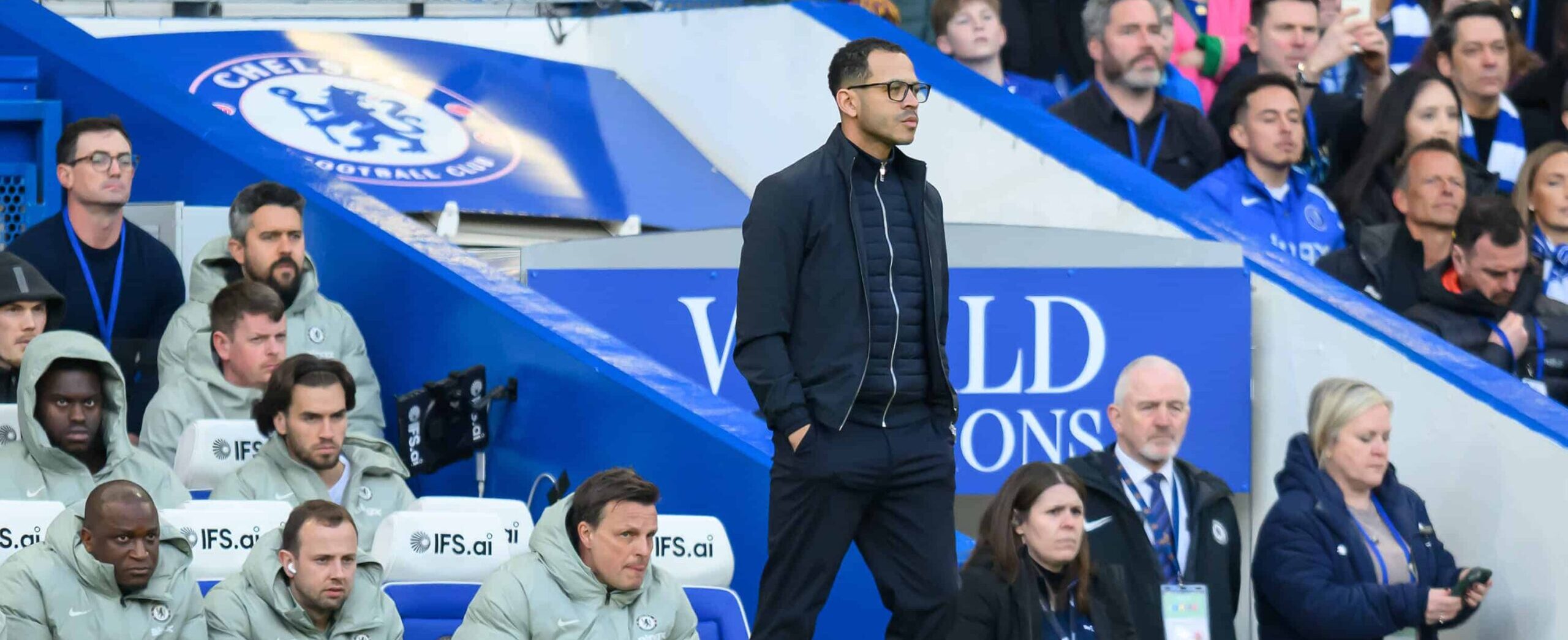
Chelsea’s decision to sack Liam Rosenior after just over three months in charge reflects a rapid collapse in form and growing instability behind the scenes, with the club now preparing to reset once again under the BlueCo ownership.
The 41-year-old’s tenure came to an abrupt end following a 3-0 defeat to Brighton on 21 April 2026, a result that extended Chelsea’s run to five consecutive league losses without scoring.
Liam Rosenior Chelsea sacking explained after poor run
Rosenior’s dismissal followed a dramatic downturn, with seven defeats in eight matches across all competitions proving decisive. What had initially been seen as a bold appointment quickly unravelled as results worsened and confidence dropped.
His final weeks were defined by a lack of attacking output and defensive fragility, with the Brighton defeat viewed internally as a tipping point. Reports suggest the situation had become untenable, particularly with the risk of missing out on European qualification and a looming FA Cup semi-final.
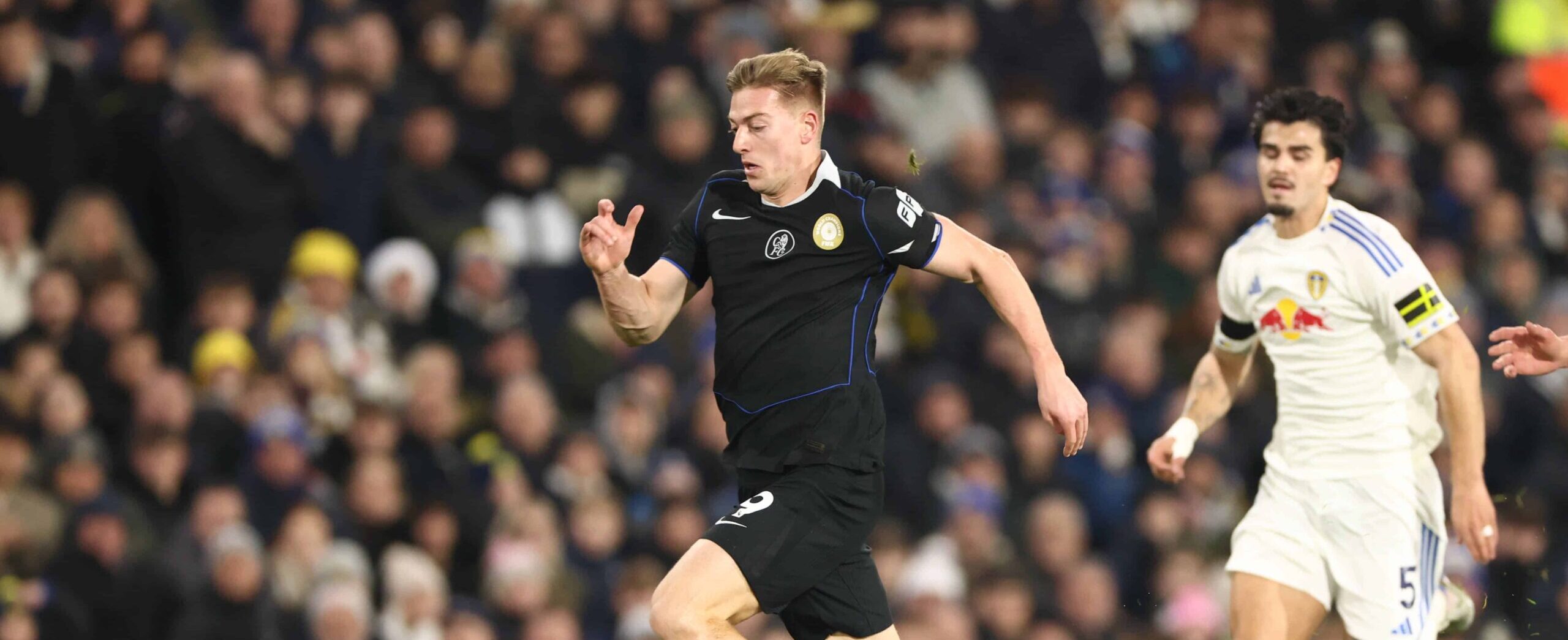
Based on recent matches we’ve covered involving Chelsea, the team struggled to maintain structure and consistency during this period, with performances declining sharply after earlier signs of promise.
Pressure builds amid squad and off-field issues
Rosenior also faced challenges beyond results. A young squad showed signs of inconsistency, while internal issues added further pressure.
Public criticism from players, dressing room tensions and repeated leaks of team news contributed to an increasingly difficult environment. The manager’s post-match reaction after the Brighton defeat, where he described performances as “unacceptable” and “indefensible”, highlighted a clear shift in tone.
However, it remains too early to determine how much of the downturn can be attributed to managerial decisions alone, given the broader context surrounding the squad and club structure.
BlueCo plan next steps after early dismissal
Despite initial belief in Rosenior’s potential, Chelsea’s ownership opted for a swift change rather than allowing the situation to deteriorate further. The decision underlines the fast-moving nature of the club’s current project.
An interim solution is expected to be put in place, with Calum McFarlane taking temporary charge. Meanwhile, attention is already turning towards a permanent successor.
Names such as Andoni Iraola and Marco Silva have been linked, though formal negotiations are yet to begin. The upcoming appointment is likely to be crucial in shaping Chelsea’s direction after a turbulent period.
Key Insights
- Liam Rosenior was sacked after just over three months at Chelsea
- A run of seven defeats in eight matches proved decisive
- The final loss came in a 3-0 defeat to Brighton
- Squad inconsistency and off-field issues added pressure
- Chelsea are now searching for a new permanent manager
What’s Next
Chelsea will move quickly to stabilise the situation, with an interim coach expected to oversee the team in the short term. The FA Cup semi-final against Leeds remains a key fixture, alongside the push to secure European qualification. Meanwhile, the club are set to begin formal discussions with managerial candidates as they aim to appoint a long-term successor before the summer window.
0 Comments
First read message
Leave a comment
Your email address will not be published. Required fields are marked *