



















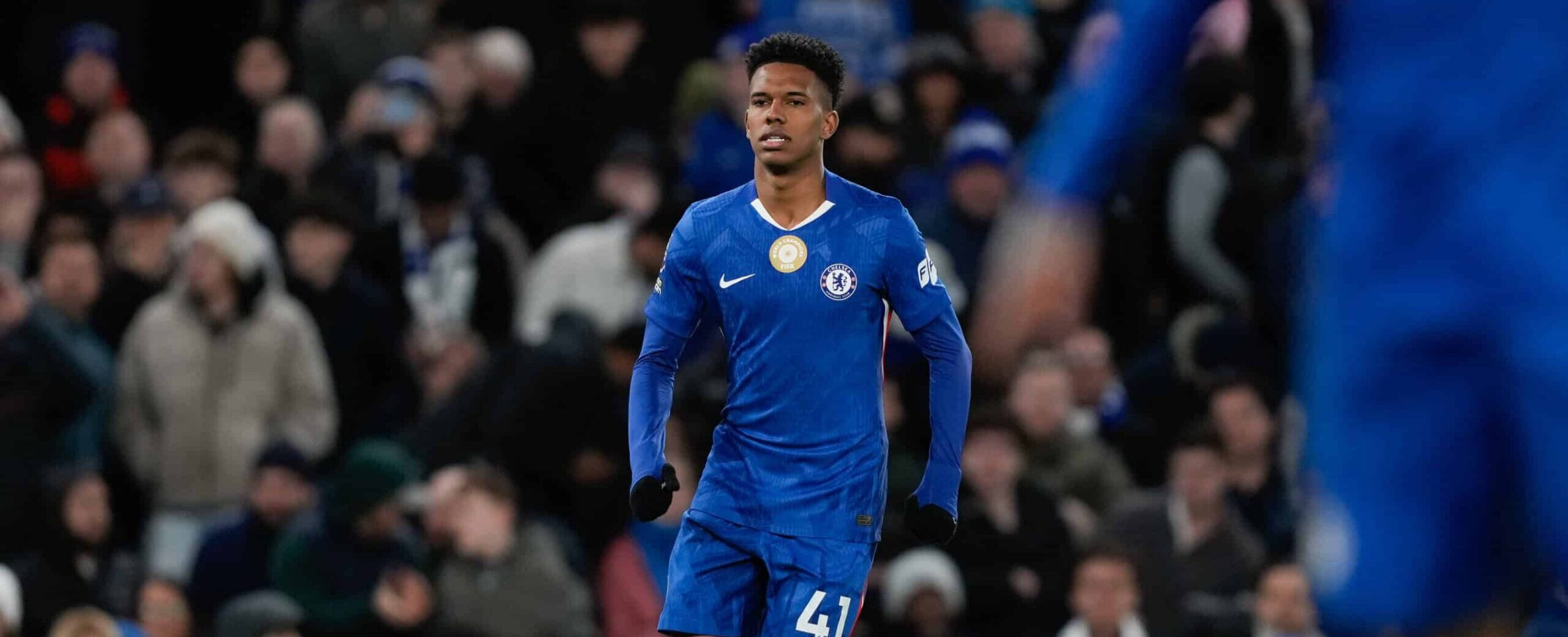
Chelsea’s frustrating end to 2025 continued as they were held to a 2-2 draw by Bournemouth at Stamford Bridge, a result that extended the Blues’ poor run to just one win in seven Premier League matches and exposed a recurring flaw that opponents are increasingly keen to exploit.
Despite a lively opening and spells of late pressure, Chelsea were unable to land a decisive blow against AFC Bournemouth, leaving Enzo Maresca with plenty to reflect on heading into 2026.
Here are three things we learned from Chelsea’s draw at the Bridge.
Long throws remain a glaring weakness
Much of the pre-match focus was on whether this could be Antoine Semenyo’s final appearance for Bournemouth amid links to Manchester City. Instead of providing goals or assists, Semenyo punished Chelsea in a different way — with his long throws.
Both Bournemouth goals stemmed from his deliveries into the box. The first saw David Brooks score after a spill from Robert Sánchez, while the second ended with Justin Kluivert bundling home at the far post.
That made it four goals Chelsea have conceded from long throw-ins this season, following strikes by Fabio Carvalho for Brentford and Wilson Isidor for Sunderland.
No Premier League side has conceded more goals from long throws this campaign — a damning statistic that underlines a structural issue Maresca must address quickly.
Cucurella’s absence leaves Chelsea exposed
For the first time in 373 days, Chelsea played a Premier League match without Marc Cucurella involved at all, the left-back sidelined by a hamstring injury. His absence was keenly felt.
On Chelsea’s left, Malo Gusto struggled badly, repeatedly pulled out of position by Brooks and exposed defensively. On the opposite flank, 19-year-old Josh Acheampong showed promise but found it tough to contain the combination of Adrien Truffert and Semenyo.
The problems were such that Gusto and Acheampong swapped sides late in the first half — a clear sign of Bournemouth’s success in targeting Chelsea’s full-back areas. Gusto eventually returned to left-back after Reece James replaced Acheampong at the interval, but the damage had already been done.
Without Cucurella’s positioning, aggression and control, Chelsea looked far more vulnerable down the flanks.
Estêvão provides rare spark and hope
If there was a bright note for Chelsea, it was the performance of Estêvão.
Making his first Premier League start since a difficult outing at Leeds United earlier in the month, the 18-year-old was Chelsea’s most dangerous player throughout. Initially deployed on the right before switching to the left, Estêvão played with confidence, directness and maturity beyond his years.
He won the penalty that allowed Cole Palmer to level the scores and constantly looked like the one player capable of conjuring a late winner. Even without adding to his goal contributions tally, his influence was unmistakable.
Late on, Estêvão had to be withdrawn in stoppage time, replaced by Jamie Gittens, appearing to be in some discomfort. Encouragingly for Chelsea, he walked off without a limp and shared high-fives with team-mates, suggesting fatigue rather than injury.
With a trip to the Etihad looming, Maresca will hope it was nothing more than cramp — because Chelsea badly need his invention.
Final takeaway
Chelsea continue to show flashes of attacking quality, but recurring defensive issues — particularly from set plays and wide areas — are costing them dearly. Until those weaknesses are fixed, results like this will remain a familiar frustration.
steAre Chelsea’s problems primarily tactical, or do they need January reinforcements to stop this slide?
0 Comments
First read message
Leave a comment
Your email address will not be published. Required fields are marked *