
















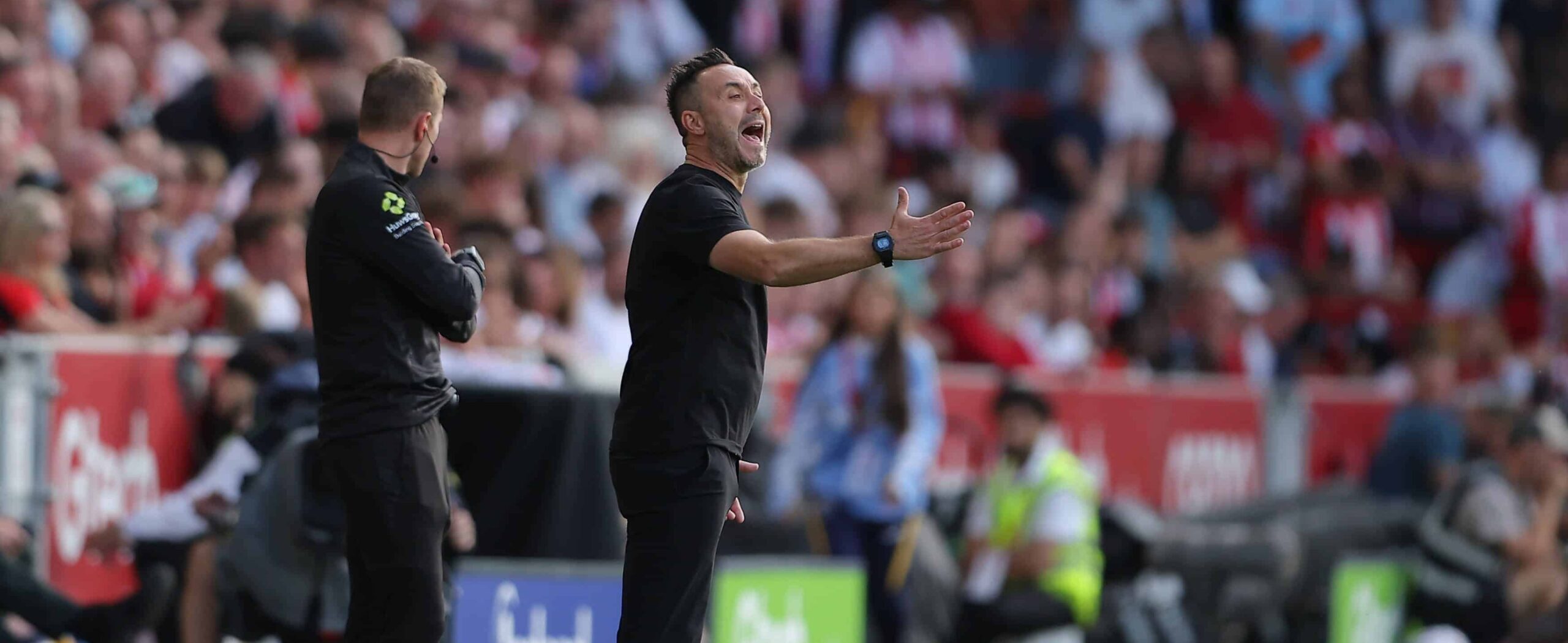
Tottenham completed a record-breaking summer rebuild under Roberto De Zerbi, spending more than £300million as the club's owners delivered on their promise to overhaul a squad that had finished 17th in successive Premier League seasons.
Spurs broke their transfer record twice, rebuilt their midfield around Sandro Tonali and Mateus Fernandes and added considerable Premier League experience throughout the squad.
However, an impressive window became increasingly frantic towards Deadline Day. Failed moves for Cody Gakpo and Iliman Ndiaye forced Tottenham towards riskier alternatives, leaving questions over whether De Zerbi has enough attacking quality despite unprecedented investment.
Tonali and Fernandes headline £300m-plus rebuild
Tottenham's most significant investment came in midfield, where a combined £185m was spent on Tonali and Fernandes.
Both represented enormous financial commitments, but strengthening the centre of the pitch was essential following Spurs' struggles over the previous two seasons.
Tonali provides intensity and energy both in and out of possession, while Fernandes' ability to receive and find solutions under pressure should suit De Zerbi's possession-heavy approach.
Neither has benefited from an ideal start because of fitness issues and a disrupted pre-season, but the logic behind both transfers is clear.
Spurs also invested heavily in Brighton defender Jan Paul van Hecke and Manchester City winger Savio, while Omar Marmoush arrived from City in a deal containing a £60m obligation to buy.
Premier League experience central to Spurs strategy
Tottenham supplemented their expensive arrivals with experienced free agents.
Andy Robertson, Marcos Senesi and Martin Dubravka were all recruited without transfer fees, providing De Zerbi with proven Premier League experience.
That strategy represented one of the strongest elements of Tottenham's summer.
After two disastrous 17th-place finishes, Spurs could not afford to build entirely around potential. They needed players capable of immediately understanding the demands of English football.
The early business was also decisive, allowing several important additions to begin adapting before the competitive season started.
Deadline Day business exposed Tottenham problems
The final phase of the window was considerably less convincing.
Tottenham failed to secure Gakpo before also losing out on Ndiaye, who eventually chose Manchester City.
That left Spurs scrambling for another winger and resulted in a Deadline Day agreement with Chelsea for Mykhailo Mudryk.
The Ukrainian has joined on a season-long loan containing a £75m purchase option, but represents a substantial gamble after not playing competitively since November 2024 because of a doping ban.
Tosin Adarabioyo also arrived from Chelsea for up to £12m following Kevin Danso's move to Sunderland.
Danso wanted to leave, limiting Tottenham's options, but replacing him directly with Tosin arguably represents a reduction in defensive quality.
Those deals contrasted sharply with the clarity demonstrated earlier in the summer.
Tottenham window earns B grade despite record spending
Overall, Tottenham's business deserves a B grade.
The ownership backed De Zerbi with unprecedented resources and significantly strengthened midfield while adding depth and experience throughout the squad.
However, spending more than £300m does not guarantee that every weakness has been addressed.
Missing several preferred attacking targets left Spurs without the additional proven quality they wanted, while the fitness levels of several new arrivals have complicated De Zerbi's start.
The window was transformative, but not complete.
Key Points
- Tottenham spent more than £300m rebuilding Roberto De Zerbi's squad.
- Sandro Tonali and Mateus Fernandes cost a combined £185m and headline the midfield overhaul.
- Spurs added Premier League experience through Savio, Jan Paul van Hecke and several free agents.
- Failed pursuits of Cody Gakpo and Iliman Ndiaye contributed to a more reactionary Deadline Day.
- Tottenham's overall summer transfer window earns a B grade.
What’s Next?
Attack remains the clearest area for Tottenham to revisit in January. Mudryk provides another option, but Spurs must also manage the eventual returns of Mohammed Kudus and Dejan Kulusevski from long-term injuries.
A specialist backup right-back should also be considered following Djed Spence's move to Inter Milan. Archie Gray can cover the position, but relying on his versatility throughout the season would leave De Zerbi unnecessarily exposed.
0 Comments
First read message
Leave a comment
Your email address will not be published. Required fields are marked *