



















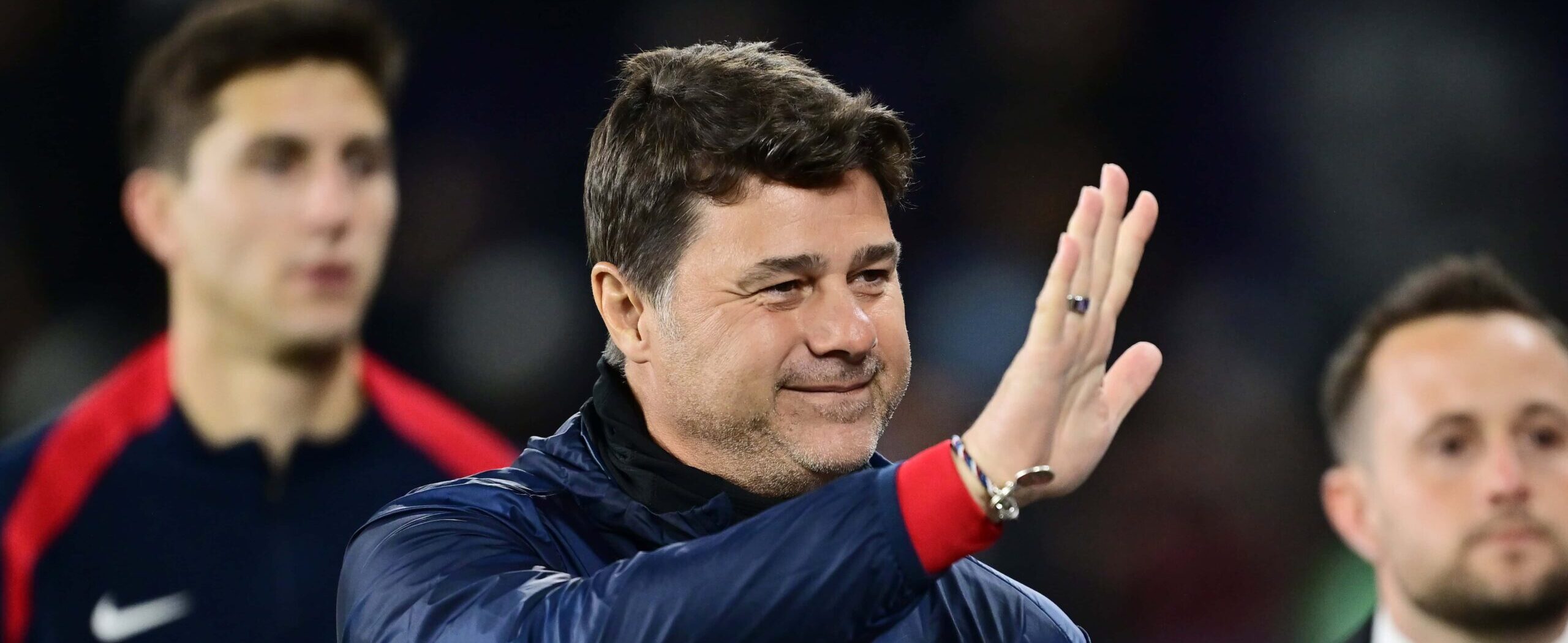
Mauricio Pochettino has opened up on Chelsea’s transfer strategy during his spell at Stamford Bridge, revealing he only directly approved two signings during the club’s major summer rebuild in 2023.
The former Chelsea boss, who took charge in July 2023 before leaving less than a year later, admitted much of the club’s transfer business had already been completed before he officially arrived.
Speaking on The Overlap’s Stick to Football podcast, Pochettino gave fresh insight into how Chelsea’s recruitment model operated behind the scenes and why that created problems.
Mauricio Pochettino confirms Chelsea transfer involvement was limited
Chelsea signed 14 first-team players during the summer of 2023 as the club continued its aggressive rebuild under BlueCo ownership.
Big-money arrivals included Nicolas Jackson, Moisés Caicedo and Cole Palmer, with the squad undergoing another major reset after a turbulent campaign.
But Pochettino has now confirmed he only had direct involvement in two deals.
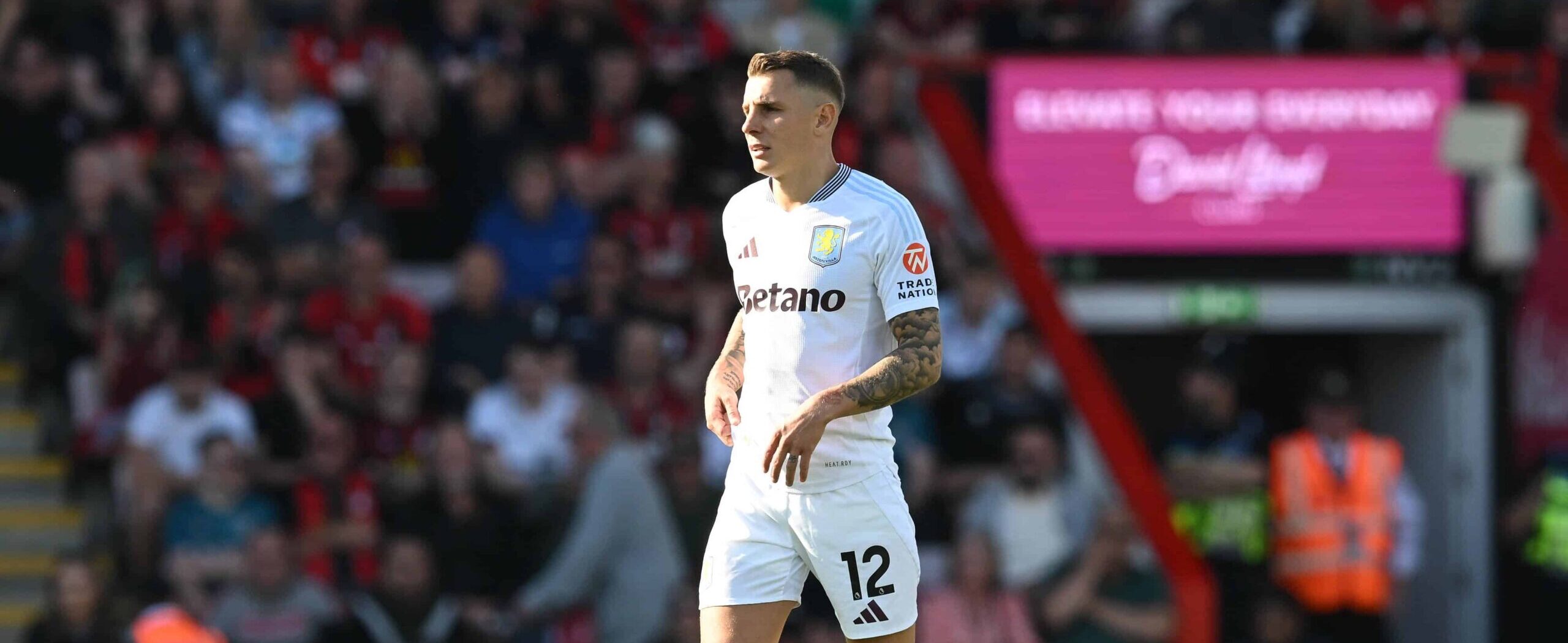
According to the Argentine coach, Axel Disasi and Cole Palmer were the only transfers he actively approved.
Disasi’s arrival became more urgent after Wesley Fofana suffered an injury during pre-season, forcing Chelsea to react defensively.
Palmer’s signing, meanwhile, arrived later in the window and would go on to become one of the club’s most important deals.
“When we signed, it was already done, all the business. I was only involved when we signed Disasi because Fofana was injured in pre-season and Cole Palmer.” — Mauricio Pochettino, via The Overlap
That admission offers a clearer picture of how Chelsea’s recruitment structure worked at the time.
Pochettino questions Chelsea’s transfer model
Pochettino also raised concerns over the club’s wider recruitment philosophy, particularly the level of coach involvement in player decisions.
His main point was simple.
Managers need ownership over squad building.
Without that connection, building a coherent team becomes harder.
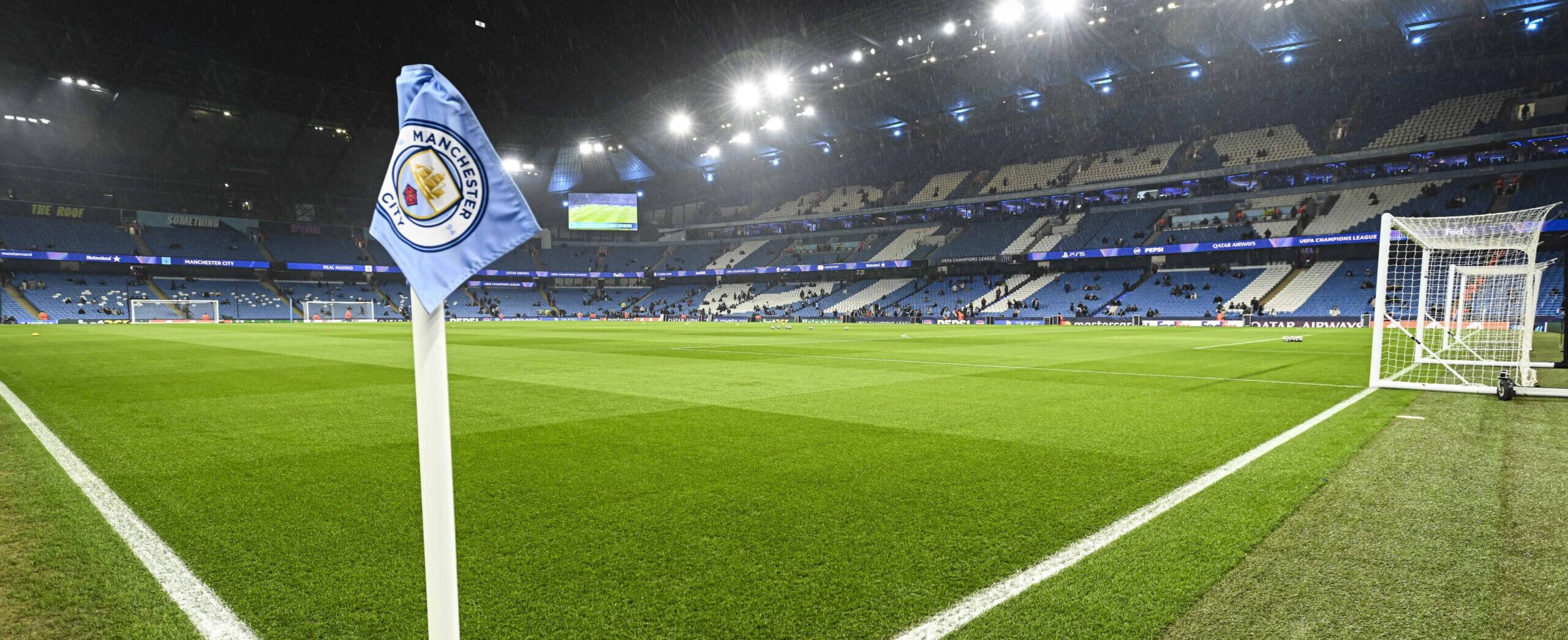
Pochettino pointed to Pep Guardiola’s influence at Manchester City as an example of why alignment between coaching staff and recruitment matters.
That comparison is significant.
Chelsea’s ownership model has heavily leaned into data-driven recruitment since taking over in 2022, prioritising younger players on long-term deals.
While that strategy has produced some success stories, it has also brought instability.
The club are now preparing for their fifth permanent manager in four years after Liam Rosenior’s departure.
Why Cole Palmer became the standout exception
Of the two signings Pochettino approved, Palmer’s impact stands out.
The England international quickly became one of Chelsea’s most influential attacking players and justified the late-window move from Manchester City.
| Chelsea 2023 Signings Approved by Pochettino | Player |
|---|---|
| Defensive reinforcement | Axel Disasi |
| Attacking addition | Cole Palmer |
source: club records – 30 April 2026
Looking back, Palmer’s rise only strengthens Pochettino’s point about selective involvement.
Based on Chelsea’s squad development since then, his influence on that deal proved decisive.
However, it remains difficult to know how differently things may have played out if he had shaped more of the squad himself.
Data versus football instinct at Chelsea
Pochettino’s criticism of data-led decision-making will likely reignite debate around Chelsea’s sporting structure.
His view was not that data has no place.
It was that football still contains variables that cannot be fully measured.
Chemistry, mentality, tactical understanding and player-manager connection remain central parts of team building.
That remains one of the biggest balancing acts in modern football recruitment.
Key insights
- Mauricio Pochettino says he only approved two Chelsea signings in 2023
- Axel Disasi and Cole Palmer were the only deals he directly influenced
- Most of Chelsea’s transfer business was completed before his arrival
- Pochettino criticised the lack of coach involvement in recruitment
- He questioned overreliance on data in squad building
What’s next?
Chelsea’s recruitment model remains under scrutiny as the club prepares for another managerial appointment and another major summer window.
Whoever takes over next will likely want greater influence on transfer decisions, especially after Pochettino’s comments.
Much will depend on whether Chelsea adjust their internal structure or continue with the same model that has shaped recent windows.
That decision could influence both short-term performance and long-term stability.

0 Comments
First read message
Leave a comment
Your email address will not be published. Required fields are marked *