



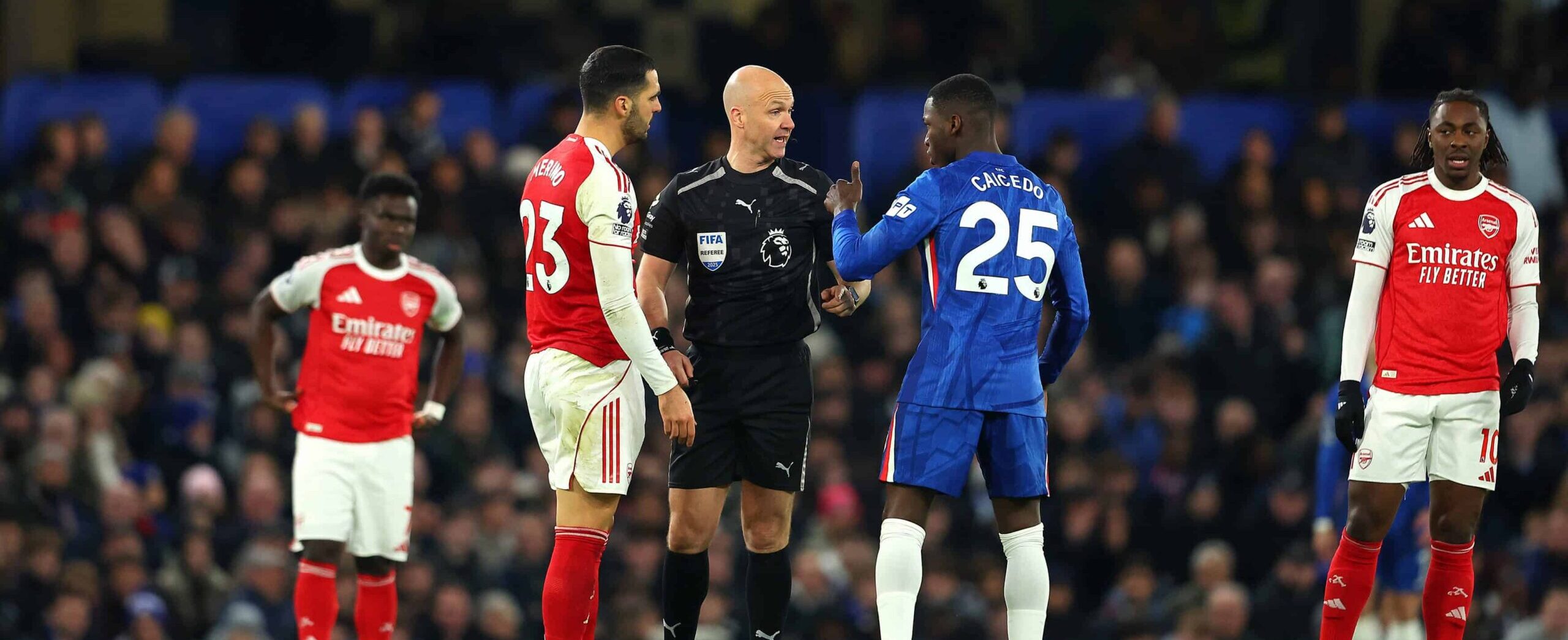
Premier League data has revealed a notable rise in VAR errors during the first half of the season, with Chelsea emerging as the club that has benefitted most — while Arsenal feature prominently among teams fortunate to avoid key interventions.
Figures released via BBC Sport, based on analysis by the league’s independent Key Match Incidents (KMI) Panel, show that VAR mistakes have increased compared to the same point last season, reigniting debate around the system’s consistency and application.
VAR errors rise at halfway stage
At the midway point of the campaign, the KMI Panel has identified 13 VAR errors, up from ten at the same stage last season. Of those, 11 were missed interventions, where VAR should have advised the on-field referee to overturn a decision, while two were incorrect interventions.
Despite an overall 17.54 per cent drop in VAR interventions — down from 57 last season to 47 — the number of errors has risen, suggesting a higher threshold for interference has not necessarily improved accuracy.
Chelsea benefitted most from mistakes
Three of the 13 VAR errors directly favoured Chelsea, more than any other Premier League side.
One of the most notable incidents came at Stamford Bridge against Fulham, where Josh King had a goal ruled out for an alleged foul by Rodrigo Muniz on Trevoh Chalobah. Upon review, the panel concluded the “contact is normal” and the goal should have stood.
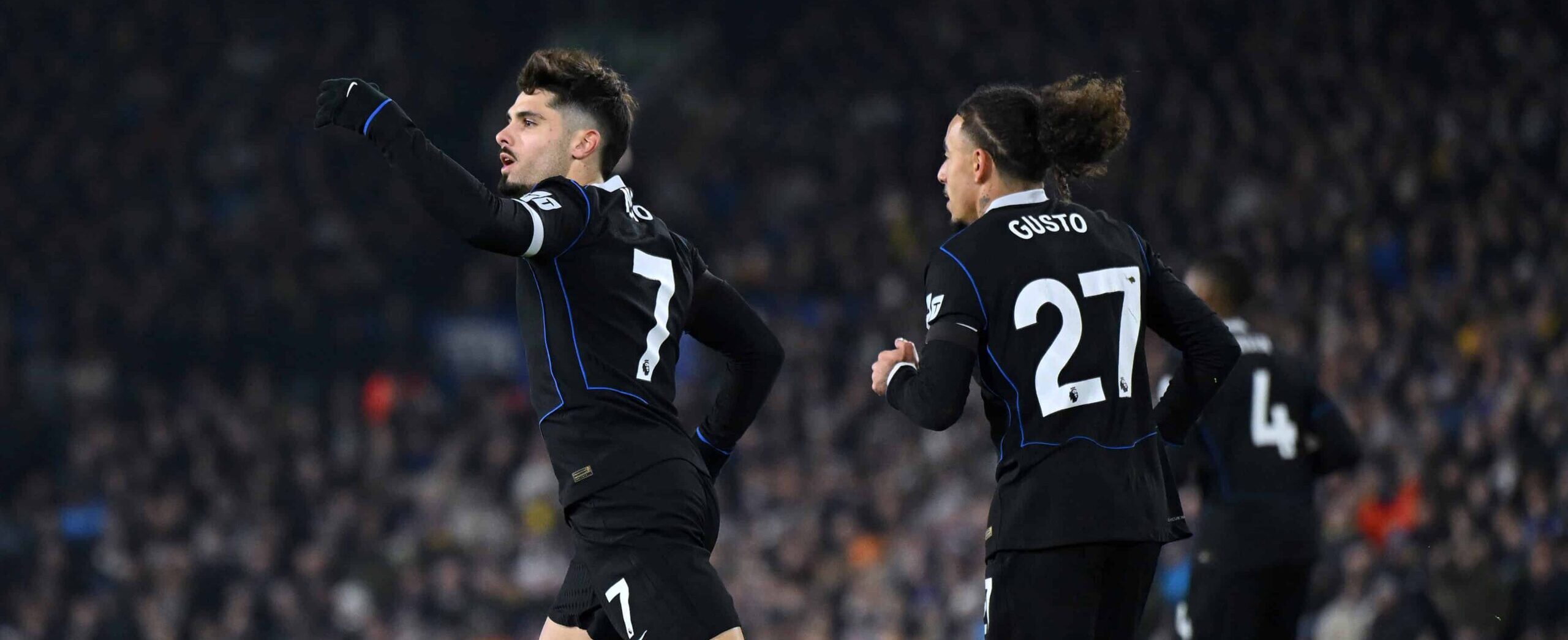
Chelsea also benefitted in their defeat to Brighton & Hove Albion, where VAR failed to intervene after Malo Gusto raised a foot and made contact with Yankuba Minteh’s head — an incident the panel felt warranted a review.
A third error occurred in Chelsea’s draw with Brighton, when VAR did not advise awarding a penalty against Gusto for handball. On the day, VAR official Craig Pawson judged the ball had struck too high on the arm, but the panel later ruled contact was made in the ‘red zone’.
Arsenal escape key interventions
Arsenal also feature in several of the panel’s findings. One incident involved a challenge by William Saliba on Thierno Barry, where the panel believed VAR should have intervened to award a penalty to Everton.
The KMI Panel also cited Arsenal’s penalty win against Leeds United for a foul on Max Dowman as an on-field error that did not meet the threshold for VAR involvement.
In addition, Mikel Merino was judged fortunate not to receive a second yellow card in Arsenal’s home match against Aston Villa**, one of five missed dismissals identified by the panel.
Other notable VAR controversies
Elsewhere, Tottenham captain Cristian Romero avoided punishment for bringing down Igor Thiago when through on goal. The panel felt Romero should have been sent off, yet no foul was given on the pitch.
The panel also reviewed 15 on-field mistakes that fell below VAR’s intervention threshold, reinforcing concerns that the system’s reluctance to step in may be contributing to a growing margin for error.
Key insights
- VAR errors have increased despite fewer interventions
- Chelsea have benefitted from more mistakes than any other club
- Arsenal avoided at least one penalty decision via VAR
- Missed red cards remain a recurring issue
- Consistency, rather than volume of checks, is under scrutiny
What’s next?
The Premier League’s officiating body is expected to review the findings internally, but no immediate changes to VAR protocol have been announced. With the title race and European qualification margins increasingly fine, pressure is likely to mount on officials to improve accuracy during the second half of the season.
Has VAR become too reluctant to intervene — or is human error still the biggest problem in Premier League officiating?

0 Comments
First read message
Leave a comment
Your email address will not be published. Required fields are marked *