













Chelsea are once again facing a managerial crossroads, and this time the decision feels more significant than any of the changes that have come before it. After parting ways with Liam Rosenior, the club publicly spoke of “self-reflection”, which in modern football often sounds like routine PR language, but at Stamford Bridge it may finally point towards something more meaningful.
For the first time in the BlueCo era, there is a sense that the ownership are beginning to question the direction of a project that has consumed vast sums without producing the level of control, consistency or progress expected from that scale of investment. More than £2 billion has gone into rebuilding the squad and reshaping the structure, yet Chelsea remain trapped in a cycle of short-term fixes and long-term uncertainty.
That makes this next appointment critical.
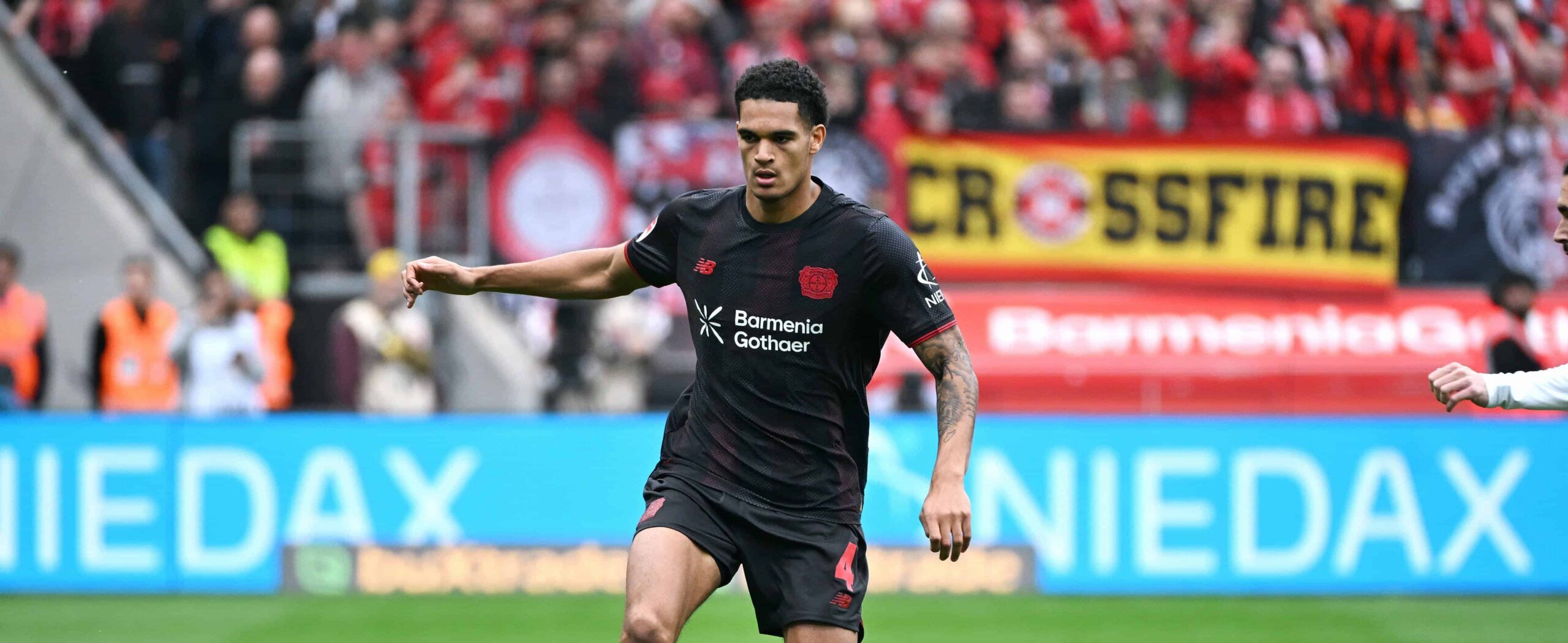
Naturally, names like Andoni Iraola will dominate early conversations. His work at AFC Bournemouth has been exceptional and his reputation has grown considerably over the last 18 months, but Chelsea’s reality is very different from Bournemouth’s, and that distinction should shape the club’s thinking.
Why Iraola may not be the right fit
There is little debate about Iraola’s quality.
At Bournemouth, he has built one of the Premier League’s most organised pressing systems, and even after losing key players such as Antoine Semenyo and Dean Huijsen, his side have remained competitive and pushed towards European qualification.
That level of work deserves recognition.
But context matters.
Bournemouth’s success has been built on intensity, compactness and transitional moments. Their structure thrives when opponents dominate possession because it allows Iraola’s team to dictate space without dictating the ball. That model works because the expectation level is different.
Chelsea do not play in that reality.
At Stamford Bridge, the expectation is territorial dominance, sustained possession and proactive football against defensive blocks. Those demands change the tactical equation completely. Managing that kind of game state is very different from managing transitions.
Having followed Chelsea’s tactical evolution over the last two seasons, one recurring issue has been their inability to break organised teams consistently. That is not a problem Iraola has been asked to solve regularly.
That should raise questions.
Why Nagelsmann makes more sense
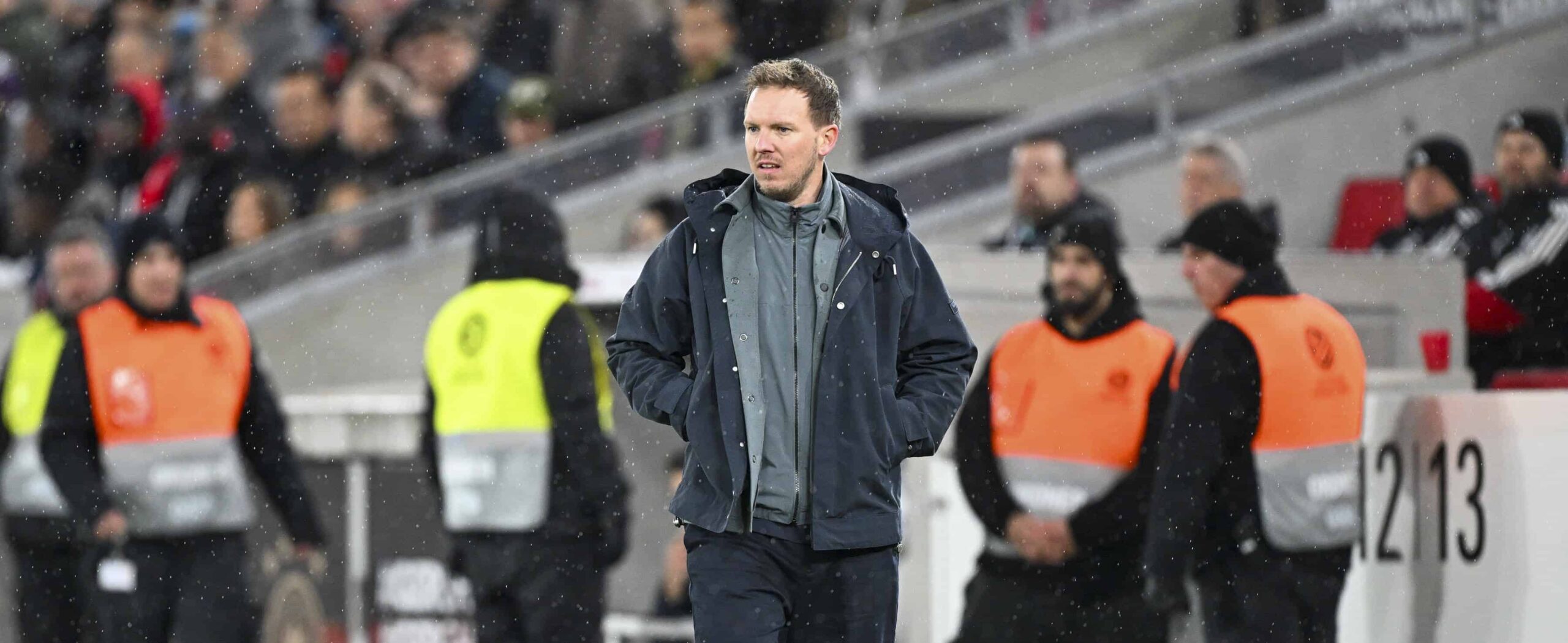
This is where Julian Nagelsmann becomes the stronger option.
Chelsea have spoken to him before. That history matters because it means both sides already understand what the other represents. At the time, the fit was not there. Chelsea’s project lacked clarity, and Nagelsmann reportedly had reservations about the long-term vision.
A couple of years later, the situation looks different.
Nagelsmann has evolved further as a coach, building on his work at FC Bayern Munich and refining his methods on the international stage with Germany national football team. Chelsea, meanwhile, are in greater need of tactical authority than ever.
That combination changes the conversation.
His football is built around positional intelligence, structured attacking patterns and aggressive pressing, but unlike Iraola, it is not dependent on the opponent controlling possession first.
That distinction is crucial.
At Bayern, Nagelsmann showed he could dominate games while still maintaining defensive aggression.
| Nagelsmann at Bayern | Record |
|---|---|
| Games | 84 |
| Wins | 60 |
| Goals scored | 255 |
| Goals conceded | 84 |
| Points per game | 2.31 |
source: club performance data – 29 April 2026
Those numbers reflect more than efficiency. They reflect control.
That is what Chelsea have lacked.
Why Chelsea’s squad suits him
This squad is not built for reactive football.
Players like Cole Palmer, Enzo Fernández and Marc Cucurella need structure, combinations and tactical clarity to operate at their highest level. Nagelsmann has consistently shown an ability to maximise technical players without sacrificing physical intensity.
His work with Florian Wirtz at international level offers a strong reference point.
The way he has built systems around creative midfielders suggests Chelsea’s best talents could finally be used with greater coherence.
That matters because talent has never been Chelsea’s problem.
Direction has.
What happens next
Chelsea’s next managerial appointment will say more about the ownership than any transfer window.
If they want another rebuild, Iraola could be part of that process.
If they want acceleration, structure and tactical authority immediately, Nagelsmann is the stronger profile.
This is not just about hiring the most exciting coach available. It is about hiring the right one for the squad, the pressure and the expectations.
Chelsea have made expensive mistakes before.
This time, the margin for error feels smaller.
And that may be exactly why Nagelsmann now looks like the obvious choice.
Should Chelsea gamble on Iraola’s rise, or go for proven elite-level management with Nagelsmann?
0 Comments
First read message
Leave a comment
Your email address will not be published. Required fields are marked *