





Arsenal returned to the top of the Premier League with a hard-fought 2-1 victory over Brighton & Hove Albion at the Emirates Stadium — but the manner of the win raised as many questions as it answered.
Goals from Martin Ødegaard and a Georginio Rutter own goal put the Gunners in control, before Diego Gómez’s strike ensured a tense finish. Arsenal ultimately held firm to move back above Manchester City, yet familiar themes re-emerged during a nervy final quarter.
Here are three key takeaways from a win that could prove pivotal in the title race.
1. Arsenal keep making it harder than it needs to be
For the fourth consecutive match, Arsenal found themselves clinging to a narrow lead late on.
They had dominated the first half, registering 15 shots to Brighton’s zero, and appeared to have killed the contest when Rutter diverted the ball into his own net shortly after the restart. Instead, the Gunners once again invited pressure.
Gómez’s goal shifted momentum, and Arsenal were forced into a frantic defensive effort. David Raya produced a sensational save to deny Yankuba Minteh, while Martin Zubimendi’s last-ditch clearance deep into stoppage time finally allowed the Emirates to exhale.
Late chances for Gabriel Martinelli and Bukayo Saka should have sealed the match earlier. Arsenal survived this time — unlike against Wolves and Crystal Palace — but repeatedly living on the edge does not feel sustainable across a title run-in.
2. Ødegaard leads like a captain again
Amid recent debate over Arsenal’s captaincy, Ødegaard delivered his most authoritative performance of the season.
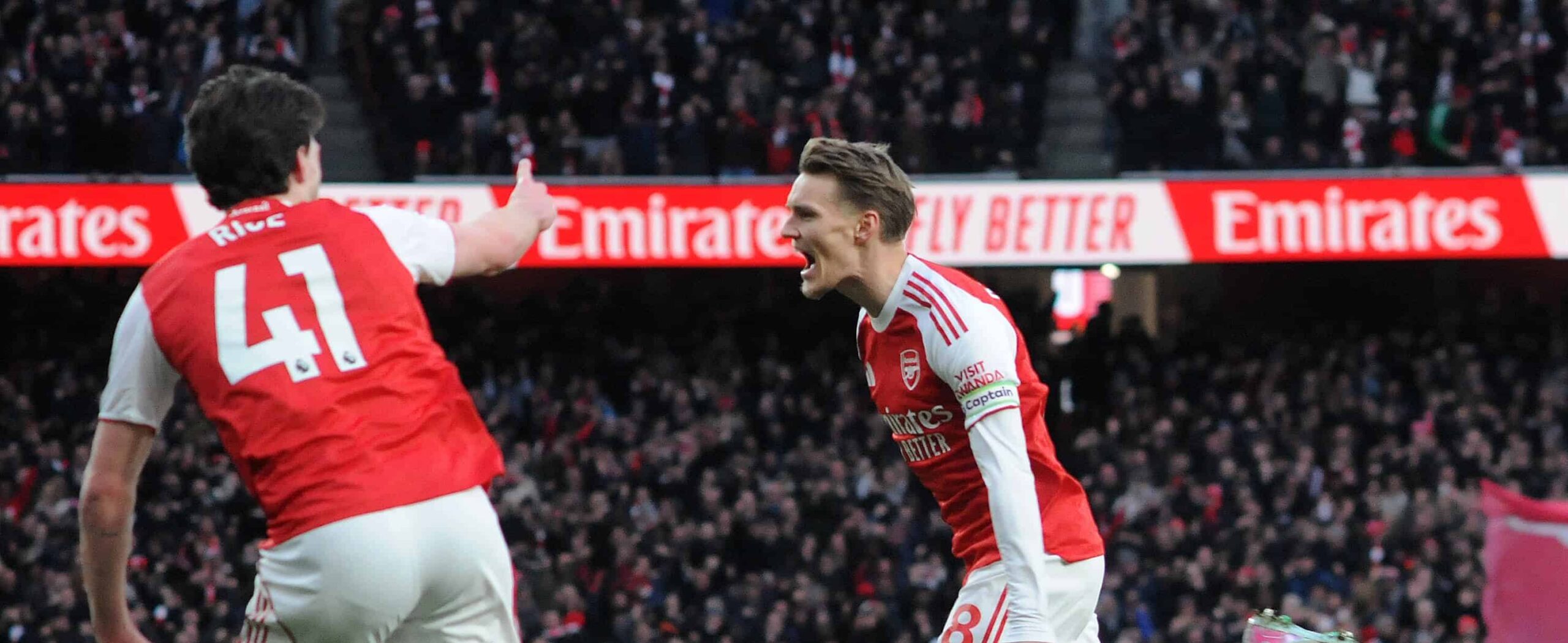
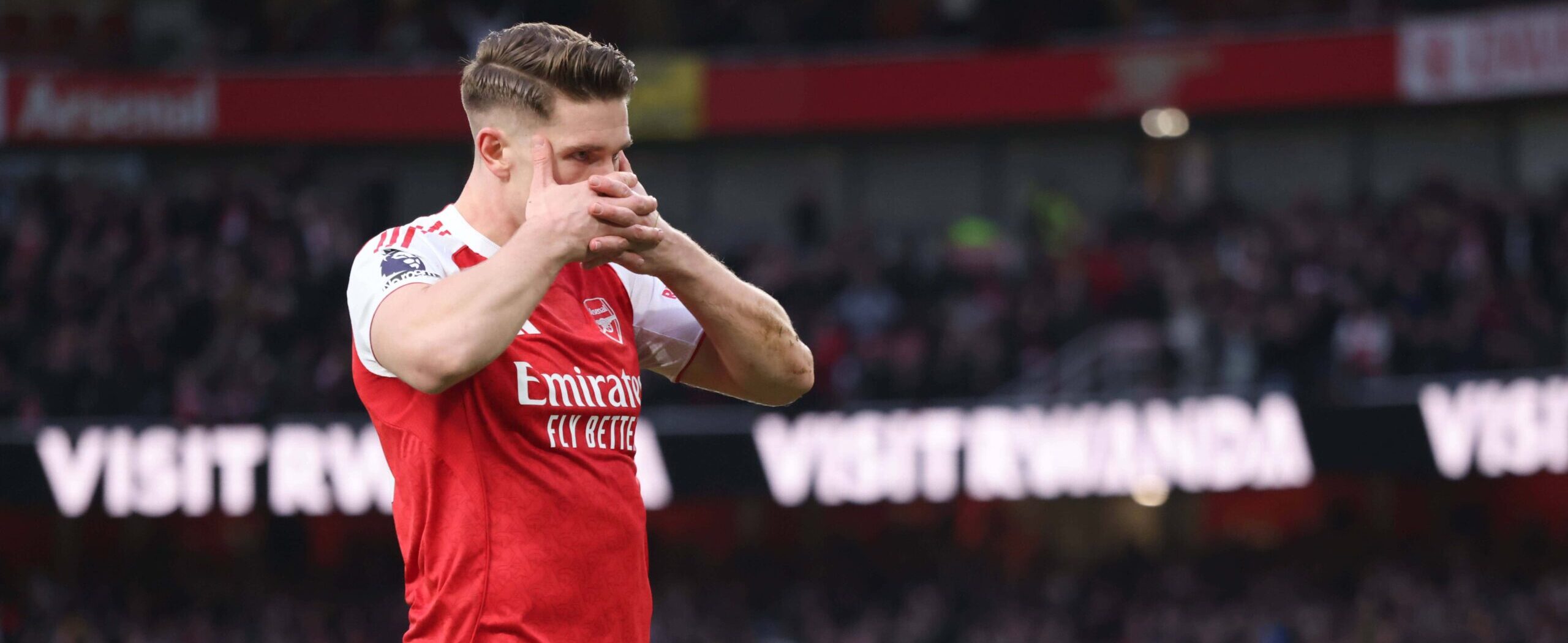
Martin Ødegaard scored his first league goal of the campaign with a trademark low finish and created five chances — more than any other player on the pitch. His composure in possession during the second half stood out as Brighton pressed aggressively.
The reaction of Declan Rice, who emphatically pointed towards Ødegaard while celebrating the goal, felt telling. Leadership was evident not only in moments of quality but in Ødegaard’s ability to slow the game down when Arsenal needed calm.
Having followed Arsenal closely this season, this felt like the version of Ødegaard that underpins their title credentials. If he sustains this level, the debate around the armband may quickly fade.
3. Injury problems are becoming a genuine concern
While Arsenal took a step forward in the table, they took several worrying steps back physically.
The return of Gabriel to the matchday squad for the first time since 8 November was a boost, but defensive issues mounted quickly. Jurrien Timber was ruled out after feeling discomfort late in the Crystal Palace win, while Ben White remains sidelined with a hamstring injury.
Matters worsened in the warm-up when Riccardo Calafiori was forced to withdraw, sending Myles Lewis-Skelly into the starting XI and pushing Declan Rice to right-back.
Mikel Arteta admitted post-match: “We miss him because in the last part of the game he felt something so he could not carry on.”
Arsenal’s summer recruitment has given them impressive depth, particularly at the back — but even that depth is now being stretched alarmingly early.
Key insights
- Arsenal returned to the top of the Premier League with a 2-1 win
- Late-game nerves remain a recurring issue
- Martin Ødegaard produced his best display of the season
- Defensive injuries are mounting rapidly
- Squad depth is being tested earlier than expected
What’s next?
Arsenal’s ability to grind out wins remains a strength, but the growing injury list threatens to overshadow positive results. With a congested festive schedule and key players operating out of position, Arteta faces a delicate balancing act.
The victory over Brighton could yet prove decisive in the title race — but only if Arsenal can regain control of matches and keep bodies fit.
Can Arsenal iron out their late-game anxiety — or will injuries and narrow margins catch up with them in the title race?
0 Comments
First read message
Leave a comment
Your email address will not be published. Required fields are marked *