



















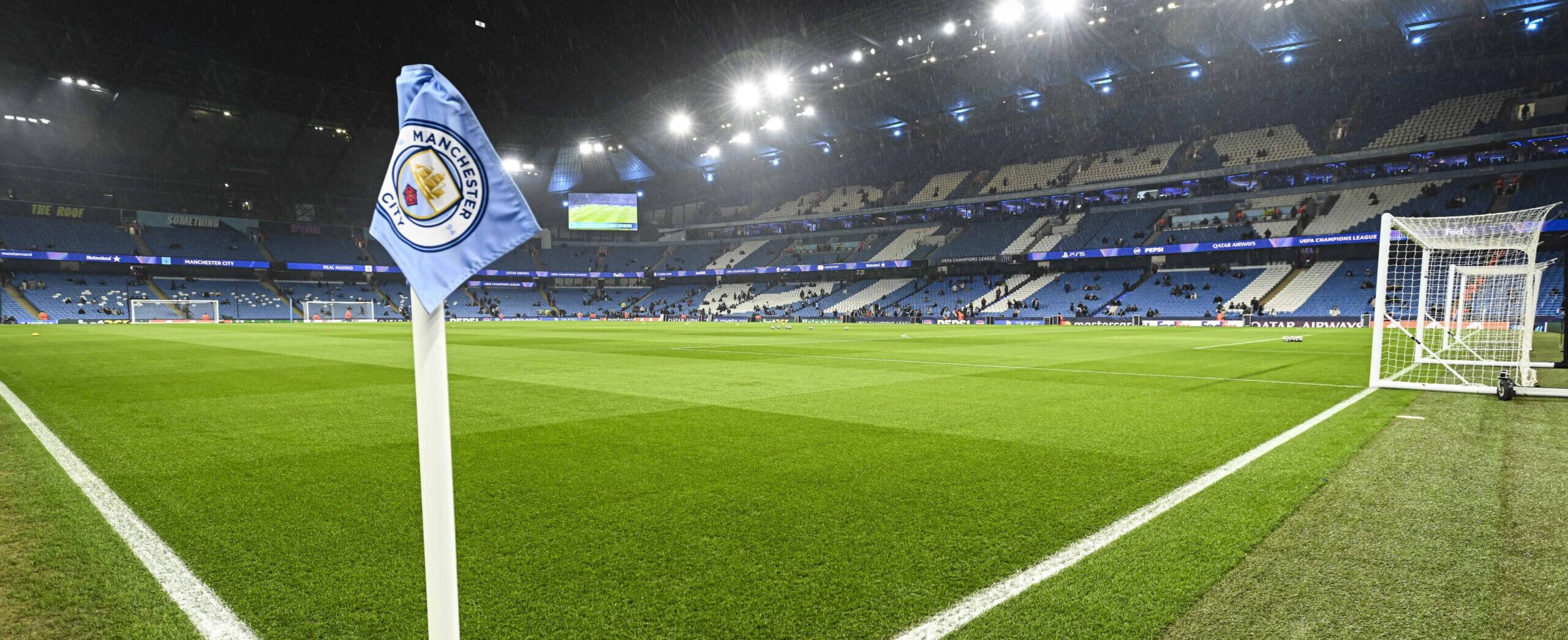
Real Madrid facing Manchester City in the Champions League once again is not the result of any UEFA manipulation, it is simply the consequence of two elite clubs consistently reaching the latter stages of Europe.
That is the view of journalist Áxel Torres, who dismissed conspiracy suggestions following the draw for the UEFA Champions League last 16.
Pep Guardiola’s Manchester City travel to the Santiago Bernabéu on 11 March 2026 before hosting Real Madrid at the Etihad Stadium on 17 March. It marks the fifth consecutive season the two sides have met in the competition and the seventh encounter in seven years.
Real Madrid vs Manchester City rivalry continues
The fixture has become a modern European classic.
Across their meetings, the record is perfectly balanced: five wins apiece and five draws, with both clubs scoring 29 goals. Real Madrid edged the most recent battles, winning 6–3 on aggregate last season after progressing on penalties in 2024.
Some supporters reacted with frustration at yet another reunion, suggesting the draw lacked variety. Others hinted at UEFA favouring a blockbuster tie.
Torres rejected that narrative outright.
“I’m surprised we’re talking as if it’s a whim of UEFA that Real Madrid and Manchester City are drawn against each other.
Both this season and last, this is determined by their league position. If they hadn’t finished in this position, there wouldn’t have been a chance for them to face each other. There’s no more to it than that.”
— Áxel Torres, Cadena SER
UEFA draw criticism dismissed
Torres argued that repetition is a by-product of competitive consistency, not design.
“They’ve faced each other a lot, yes. But we used to say it was the great Clásico of Europe, and it seems to be getting boring.
In fact, there could be six Barça–Atlético de Madrid matches. Two in La Liga, two in the Copa del Rey, and maybe two in the Champions League. There will be six and welcome them because they’re good matches too.”
The structure of the new Champions League format means finishing positions heavily influence potential matchups. Both Real Madrid and Manchester City placed themselves in brackets that made another meeting statistically likely.
There is no evidence of manipulation, only mathematics.
Why it matters
This tie now defines the last-16 narrative. It is no longer a novelty. It is familiarity at the highest level.
For City, it represents another attempt to overcome a side that has often blocked their European ambitions. For Madrid, it is a chance to reaffirm continental dominance.
What’s Next?
The first leg at the Bernabéu on 11 March will likely set the emotional tone of the tie. Guardiola’s tactical approach away from home could determine whether City control the narrative before the return leg in Manchester on 17 March.
Given their recent history, fine margins are expected again.
Has this become Europe’s defining rivalry — or are fans right to crave something different?

0 Comments
First read message
Leave a comment
Your email address will not be published. Required fields are marked *