









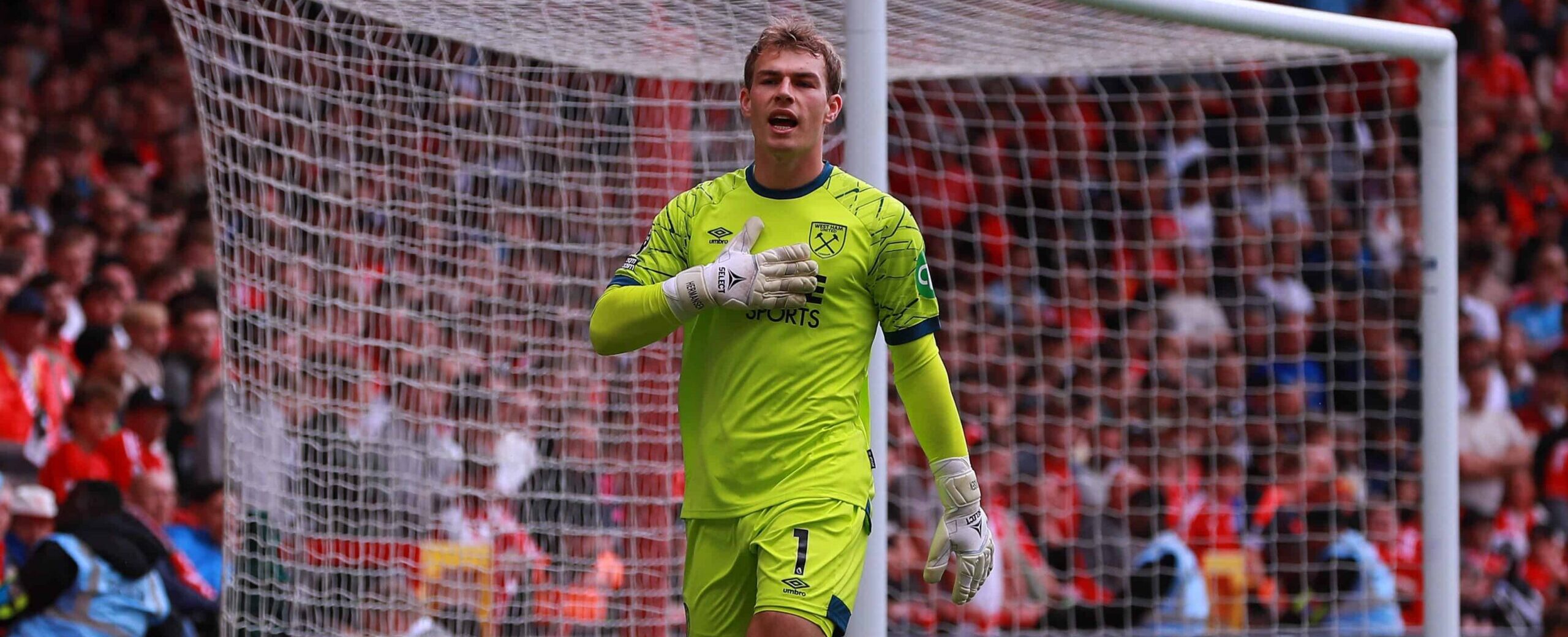
The Premier League has officially confirmed that the 2026/27 season will begin one week later than usual, citing the need to protect player welfare amid what it calls an “increasingly congested” global calendar. The announcement follows a shareholder meeting on Friday morning and represents one of the league’s clearest scheduling adjustments in response to expanded international competitions.
This season began on 15 August, with Liverpool winning at Bournemouth, and is set to conclude on 24 May. But next year’s campaign will run from 22 August 2026 to 30 May 2027, ensuring players receive an extended rest period following the first ever 48-team World Cup, which will take place in Canada, Mexico and the United States.
With the World Cup final scheduled very late in the summer, Premier League officials have acted pre-emptively to prevent excessive fatigue and ensure clubs have a more realistic period for recovery, pre-season preparation and player reintegration. The league has been under increasing pressure from managers and medical departments to make structural changes to reduce overload.
The Premier League’s Announcement: Key Points
The league outlined several reasons behind the delayed start. Chief among them is the impact of the expanded World Cup, which ends later and significantly disrupts standard off-season cycles. The Premier League wants to guarantee:
- 89 clear days between the end of the current season and the start of the next
- 33 days’ rest from the World Cup final to the Premier League’s opening weekend
- A season conclusion one week before the 2027 Champions League Final
In practice, the later start is designed to safeguard players who will endure a longer World Cup run, travel demands across North America, and reduced recovery windows.
The Premier League also confirmed the campaign will include 33 weekends and five midweek match rounds, with deliberate scheduling to avoid conflicts with UEFA competitions.
Impact on the Festive Fixtures
One notable outcome of the planning is that Boxing Day in 2026 falls on a Saturday, enabling the Premier League to maintain a more traditional Christmas fixture rhythm. For years, managers have raised concerns about the close spacing of games during the festive period.
In response, the league reiterated its commitment that no two match rounds will take place within 60 hours between Christmas and New Year — part of an ongoing promise to mitigate the extreme congestion seen in previous seasons.
Why the Later Start Matters
From our analysis, this move reflects a broader trend: leagues are being forced to accommodate an international calendar that keeps expanding, often without domestic leagues having much influence. The Premier League’s decision is significant because it implicitly acknowledges a long-standing tension between club demands and FIFA’s increasingly demanding competitions.
In our view, this is also a political gesture. By moving the season back, the Premier League is positioning itself as a competition that prioritises player health. This may help in future negotiations as international schedules tighten further.
A nuance worth noting is how managers may react. Some will welcome the extended rest, but others may argue that the late start compresses the overall season, creating new bottlenecks later in the calendar. Still, most sports scientists agree that additional rest after a tournament as large as the 2026 World Cup is essential.
The Structure of the 2026/27 Campaign
The season will be carefully coordinated with UEFA competition windows. This reflects the Premier League’s desire to avoid the stress placed upon clubs juggling domestic and continental fixtures simultaneously.
With clubs like Manchester City, Liverpool, Arsenal and Aston Villa all projected to participate in UEFA competitions, this alignment prevents the scheduling chaos that has often affected fixture fairness in previous campaigns.
The Long-Term Implications
This decision may become a template for future seasons involving expanded international tournaments. As global football continues to expand — with more Nations League matches, Club World Cup adjustments and longer qualifying windows — leagues may be forced to shift even more dates.
Financially, the Premier League can absorb a later start without major disruption. But smaller leagues may not have the same flexibility. This move could therefore set a new standard, with ripple effects across Europe.
Key Insights
- The Premier League will start the 2026/27 season on 22 August 2026, one week later than usual.
- The later start is designed to protect players following the expanded 48-team World Cup.
- Players will receive 89 days off after the 2025/26 season and 33 days after the World Cup final.
- Christmas fixture congestion will be reduced, with no two matches within 60 hours.
- The season ends on 30 May 2027, one week before the Champions League final.
What’s Next?
Premier League clubs will now adjust their pre-season plans accordingly. Expect many to stage shorter tours in July 2026, with managers balancing commercial obligations against the need for recovery after a taxing World Cup.
👉 Fans — do you think the Premier League should make more calendar changes to protect player welfare?

0 Comments
First read message
Leave a comment
Your email address will not be published. Required fields are marked *