


















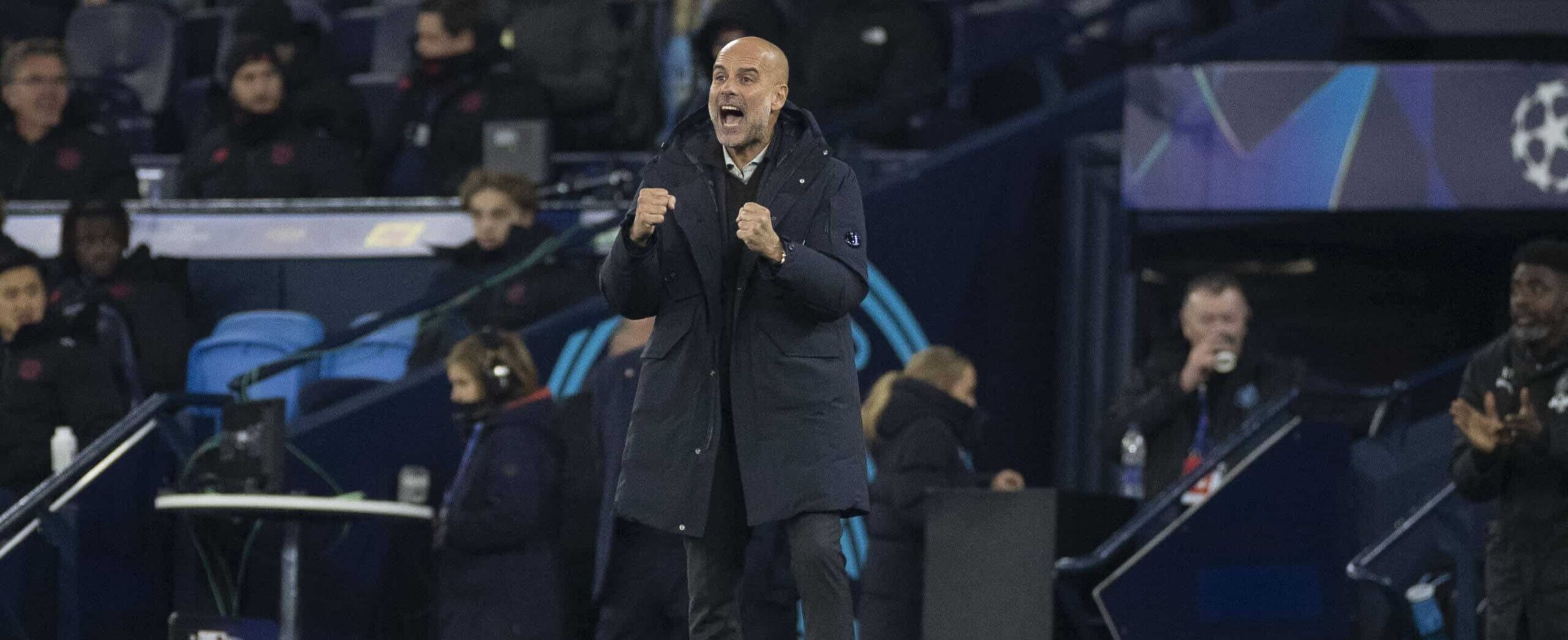
Pep Guardiola rarely admits regret, but even he couldn’t hide from Manchester City’s 2–0 defeat to Bayer Leverkusen at the Etihad on 26 November 2025. In a night that felt strangely flat for the English champions, Guardiola made 10 changes from the side that lost to Newcastle at the weekend — and the gamble backfired almost immediately.
City enjoyed long spells of possession and generated an xG of 1.78, far higher than Leverkusen’s 0.51, yet they never once found a way through. According to broadcasters covering the match, the home crowd grew restless as a disjointed first half saw Alejandro Grimaldo finish off a lightning counter-attack in the 23rd minute. Patrik Schick then punished another lapse early in the second half to seal a deserved win for the Bundesliga leaders.
The stats tell their own story: 55% possession, 19 shots, but zero shots that truly threatened. What hurt more for Guardiola was that even when he introduced Phil Foden, Rayan Cherki and academy gem Nico O’Reilly at half-time, the dynamic barely shifted. For once, City looked like a side searching for ideas rather than imposing them.
Guardiola Admits: “Too Many Changes”
Guardiola’s post-match interview was frank — even unusually self-critical.
He stated: “Too many changes… maybe it was too much. Seeing the result, they played not to make mistakes instead of doing what we had to do.”
Those words struck a chord. Guardiola has always believed in giving minutes to his entire squad, especially in crowded fixture cycles, but this was the first time he openly questioned his own rotation strategy. Players who hadn’t played for “five, six, seven games” struggled with rhythm, and the performance reflected that.
He also admitted that the regular starters would probably have played with more confidence, but refused to question the overall quality of his squad. City face a brutal run: Fulham, Sunderland, and then Real Madrid. Resting Haaland, Foden, Rodri, Gvardiol and Donnarumma made sense on paper — just not on the pitch.
Leverkusen Coach Responds to Pep’s Rotation Talk
Leverkusen boss Kasper Hjulmand offered a calm rebuttal when asked whether Guardiola underestimated his opponent.
“I don’t think so… no matter who they put on the pitch, it’s a quality team,” he said.
Hjulmand also addressed the situation of City loanee Claudio Echeverri, who has played just 110 minutes this season. Despite speculation of an early recall, the Leverkusen manager insisted the club is “trying to build a young player with great potential”.
Numbers That Tell the Story
| Stat (2025/26) | Pep Guardiola (Team) |
|---|---|
| Possession | 55% |
| Total Shots | 19 |
| xG | 1.78 |
| Shots on Target | — |
source: Sofascore match data – 26 November 2025
City created volume but lacked incision. For all their dominance in possession, Leverkusen forced them into wide, harmless areas, leaving City’s attacking rotations unusually rigid and predictable.
Our View: What This Defeat Really Means
Having followed Guardiola’s City closely for several seasons, this match felt different from a typical off-night. In our view, the issue wasn’t simply rotation — it was the type of rotation. City lost their structure through the spine: no Rodri, no Foden, no Haaland, no Stones. Removing all four simultaneously removed leadership, verticality and control, which led to the disjointed attack we saw.
Although some pundits have argued that this exposes a lack of squad depth, that interpretation feels misleading. The real nuance is that several backup players — particularly in midfield zones — haven’t had consistent minutes. Rhythm is everything in a Guardiola system. Asking 10 players without it to execute positional play at Champions League speed is a massive tactical risk. It showed.
There’s also a psychological angle. After back-to-back defeats, confidence naturally dips. City’s younger attackers played with hesitation, choosing safe options rather than breaking lines. This suggests the team may need a reset — not a drastic one, but one centred on bringing back the automatisms that define Guardiola’s best sides.
Key Insights
- Pep Guardiola admitted he rotated “too much” after a 10-change lineup lost 2–0 to Leverkusen.
- Man City dominated statistically (19 shots, 1.78 xG) but lacked cutting edge.
- Leverkusen punished City with clinical transitions via Grimaldo and Schick.
- Guardiola defended his squad depth but said this was the first time he regretted such heavy rotation.
- City face Leeds United next in the Premier League on 29 November 2025.
Tactical Forward View
Expect Guardiola to restore his strongest spine immediately: Rodri anchoring midfield, Stones organising buildup, and Foden reintroducing tempo and creativity. City may also fast-track Cherki’s minutes — his half-time cameo suggested he could become a more regular rotational option. Long-term, this defeat may accelerate Guardiola’s push for a more balanced bench, especially in defensive midfield.
What’s Next
Manchester City return to Premier League action on Saturday, 29 November 2025, hosting Leeds United. With the title race tightening and Real Madrid looming in Europe, Guardiola is likely to field a near full-strength XI.
👉 Should Guardiola stick to heavy rotation — or has this defeat proved it’s too risky?

0 Comments
First read message
Leave a comment
Your email address will not be published. Required fields are marked *