

















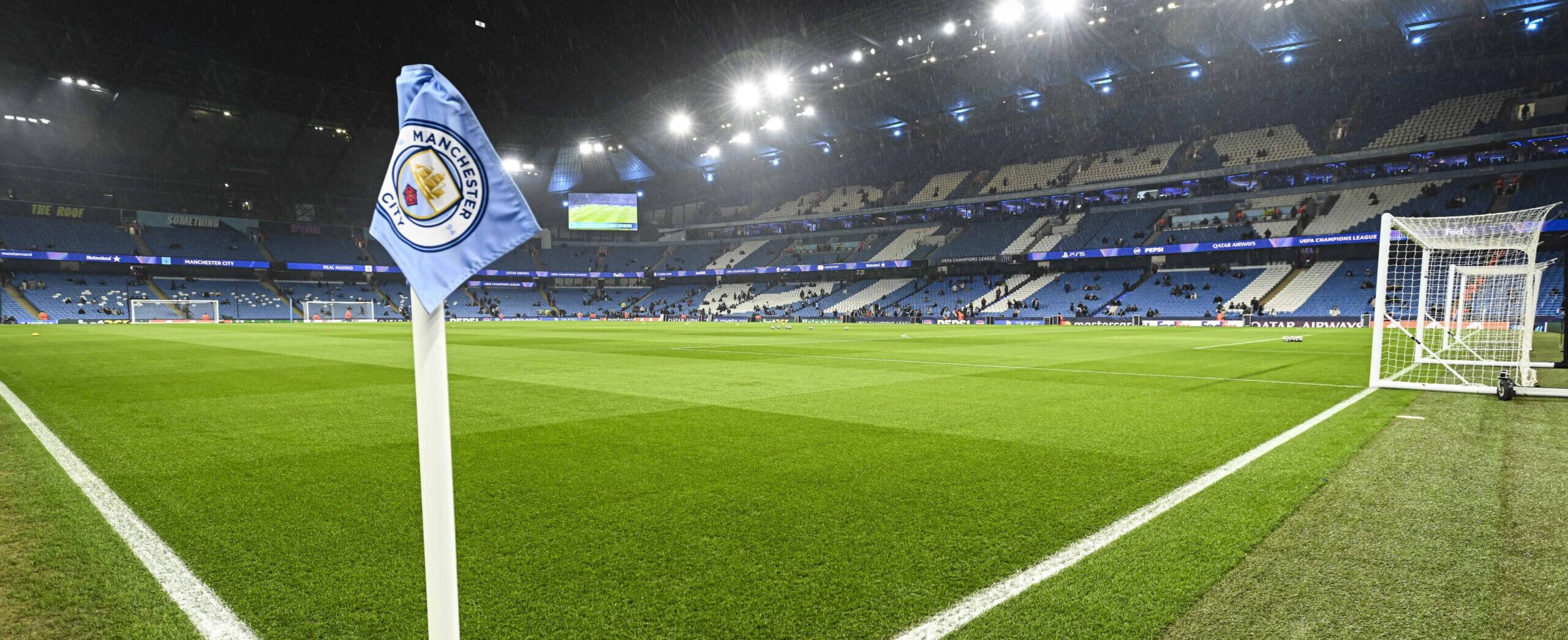
Manchester City’s latest set of financial accounts outlines a club in transition, one that has undergone major structural and squad changes while absorbing the disappointment of a rare season without silverware. The headline figure — a notable tightening of the wage bill — comes alongside chairman Khaldoon Al Mubarak’s belief that the past year may be remembered as a turning point in the club’s long-term evolution.
After breaking the £400m salary barrier following their Treble triumph in 2023, City’s wage outlay has now dropped from £412m to £408m for the 2024/25 cycle. Crucially, this figure does not yet account for the departure of several high-earning senior players who left after the accounting period ended. Once the exits of Ederson, Kyle Walker, Ilkay Gundogan, Jack Grealish and Manuel Akanji are reflected, the club expects to remove more than £50m from their wage commitments in the next set of results.
City spent the summer rebuilding, bringing in Gianluigi Donnarumma, James Trafford and other additions while releasing a core group that defined their Treble-winning era. The squad looks younger, the salary structure leaner, and Al Mubarak believes this reset could be foundational.
Why City’s Wage Shift Matters
City’s shift away from a saturated wage structure signals a deliberate effort to future-proof the squad. Replacing ageing, high-earning players with younger talent creates space for strategic investment while maintaining competitive depth. This transition also aligns with a wider trend emerging across elite clubs, where expensive veterans are phased out to improve sustainability and compliance with squad cost regulations.
Although the arrival of Donnarumma and other newcomers offsets part of the savings, senior departures significantly outweigh the additions. When the next accounts are published, the club expects to fall comfortably below the £400m threshold — a psychological and financial milestone after several years of record expenditure.
What the Chairman Said
Al Mubarak framed the year as one of strategic evolution rather than decline.
“I believe we may look back on this year as one that was pivotal for the long-term strengthening of the club… lessons from the challenges of the last 12 months will only make us stronger.” — Khaldoon Al Mubarak
He acknowledged that last season’s results fell short of expectations and pointed to a heavy run of injuries as a contributing factor. Yet he stressed that such periods are unavoidable in the Premier League’s competitive landscape and that the club’s internal processes remain aligned with long-term planning rather than short-term reaction.
How the Financial Picture Looks
City reported a modest loss of £9.9m for the season — a drop influenced by the absence of trophies for the first time in eight years. While commercial, broadcast and matchday revenues dipped slightly, the club still generated £694m, their third-highest revenue total. In context, this reinforces financial strength rather than instability, especially during a campaign defined by regression on the pitch.
The numbers reflect a club recalibrating, not retreating.
City Move From Peak Era to New Phase
It is clear this past year represents a natural turning point rather than a crisis. The wage cuts are not merely a financial decision but a cultural one, signalling a shift towards a squad that can compete over the next five years rather than maintain the exact shape of the past five.
Although some may argue the departures create short-term vulnerabilities, it’s worth questioning whether City could sustainably carry the combined salaries of ageing players while refreshing key positions. The club’s recruitment strategy — younger profiles, longer-term contracts, and more flexible salary structures — reflects forward planning.
In our view, City have chosen the turbulence of transition now rather than the risk of stagnation later. The modest financial loss will concern no one internally; the focus is on modernisation, evolution and preparing the squad for another competitive cycle.
Results Will Determine Whether “Pivotal” Becomes “Successful”
The chairman’s framing of the year as “pivotal” carries weight but also invites scrutiny. A transitional season must eventually lead to improvement, and the next six months — particularly after embedding new signings — will reveal whether the reset has truly positioned City for resurgence. With competitions still open and a refreshed squad hungry to prove itself, the foundation appears strong.
Key Insights
- City’s wage bill drops from £412m to £408m, with a further £50m reduction expected next cycle
- Departures of Ederson, Walker, Gundogan, Grealish and Akanji reshape the squad
- Chairman calls the year “pivotal” for long-term club evolution
- City record a £9.9m loss despite generating £694m in revenue
- Brentford visit the Etihad today before West Ham arrive on Saturday
What’s Next?
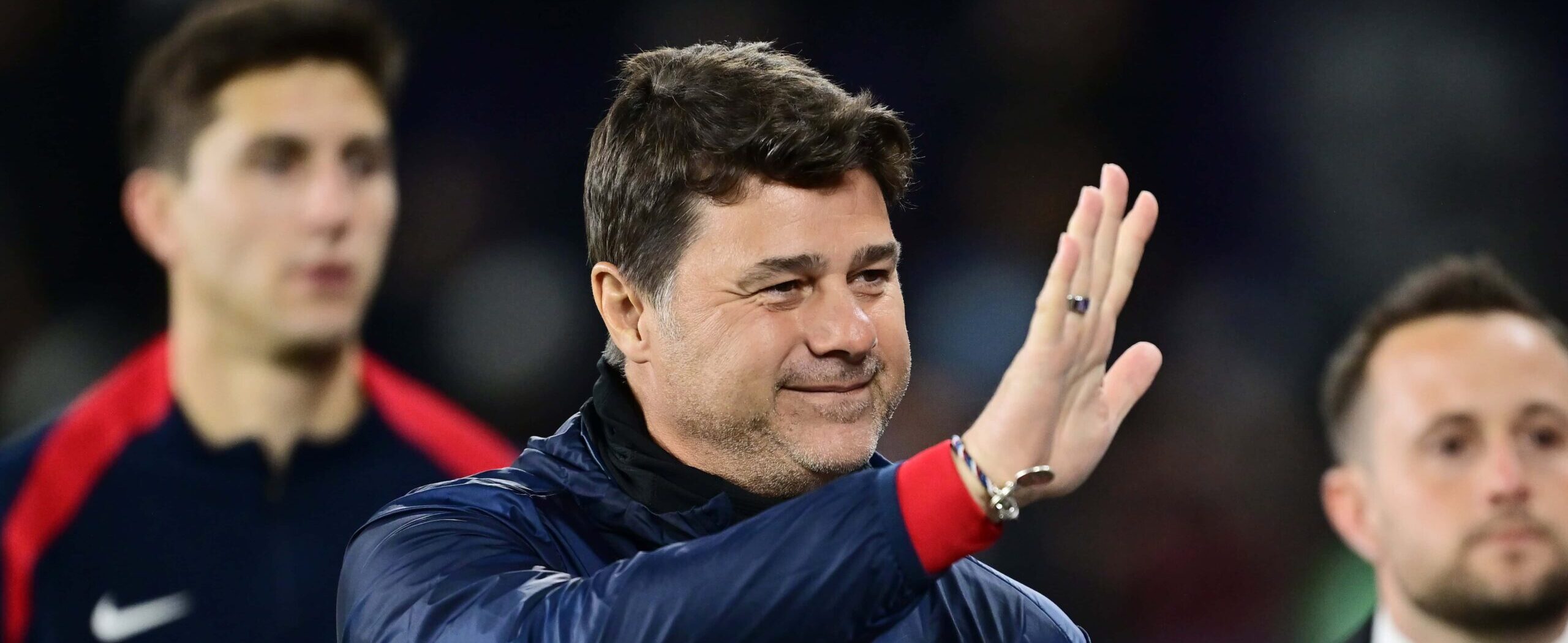
City now turn attention to the Carabao Cup quarter-final at home to Brentford, followed by Saturday’s Premier League clash with West Ham. With fixtures coming quickly, Pep Guardiola will rotate carefully while trying to build momentum heading into the festive period.
👉 City fans — do you see this wage reset as smart long-term planning or a sign the club risks losing experience too quickly?

0 Comments
First read message
Leave a comment
Your email address will not be published. Required fields are marked *