



















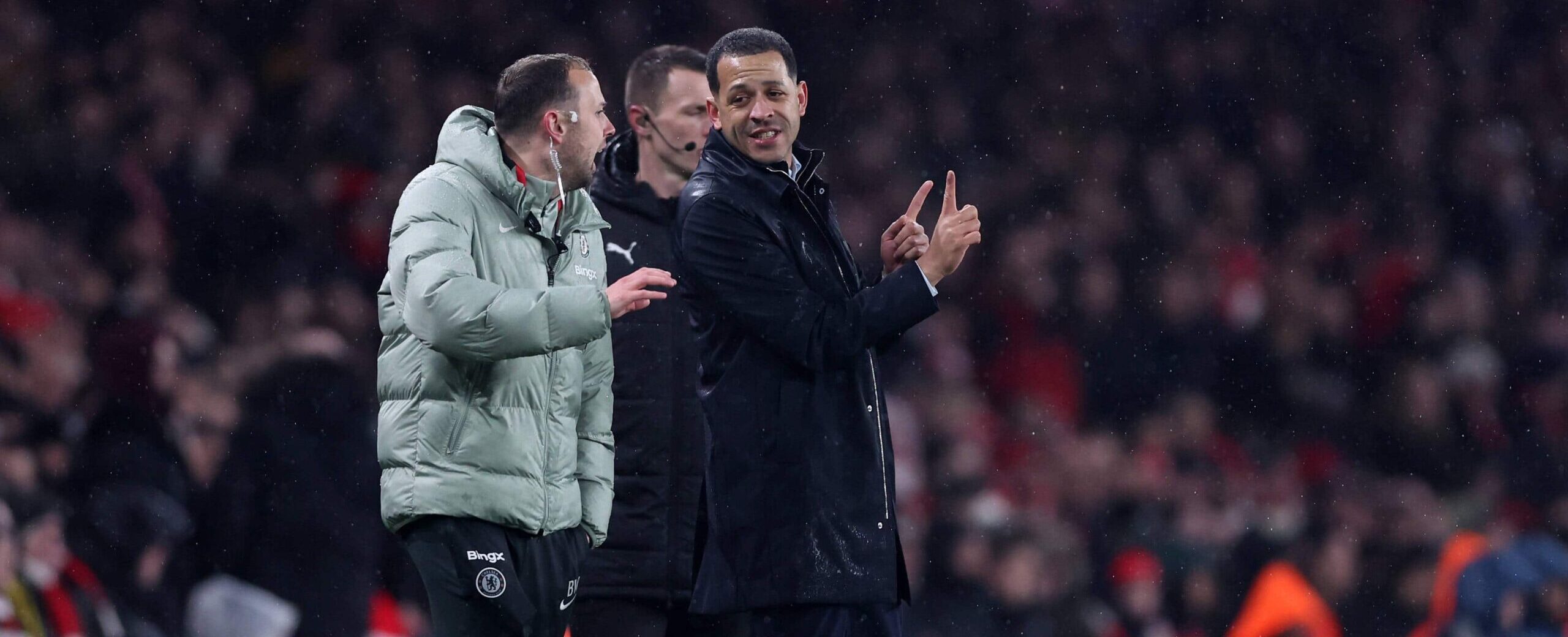
Liam Rosenior is only weeks into his tenure at Chelsea, but the early signs suggest something more than a new-manager bounce is taking shape at Stamford Bridge.
Eight wins from his first 11 matches tell part of the story. The manner of those performances and the shift in atmosphere around the squad tells the rest.
Here are three ways Rosenior has quietly laid foundations for sustainable success.
1. Smart Tactical Tweaks, Not Tactical Overload
Under his predecessor Enzo Maresca, there was structure — sometimes too much of it. Chelsea were organised, disciplined and, at times, restrained.
Rosenior has adjusted that balance.
Rather than prescribing rigid positional maps, he has restored creative autonomy within a clear framework. His philosophy is simple: provide structure behind the players, not chains around them.
Cole Palmer is the clearest beneficiary. Deployed with more freedom drifting inside from the right, he is once again expressive, decisive and central to Chelsea’s attacking rhythm. Rosenior has made it clear: his job is not to dictate every movement, but to trust elite decision-makers in decisive moments.
Andrey Santos has been used deeper in midfield, allowing Moisés Caicedo to press aggressively and disrupt transitions. Enzo Fernández, operating in the left half-space, has regained the licence to influence both phases of play rather than being confined to strict zones.
The impact? Chelsea are no longer reliant on two scorers. Eleven different players have found the net under Rosenior already.
Consistency will be tested against Arsenal, Aston Villa and Newcastle before March ends. But the blueprint looks more fluid — and harder to stifle.
2. Squad Management Built on Communication
Rosenior’s most important early achievement may not be tactical — it’s relational.
When João Pedro arrived amid questions about how he would coexist with Palmer, Rosenior addressed it immediately. Clear conversations, defined roles, and shared responsibility. The result: Palmer has assisted three of João Pedro’s last four goals.
Substitutions have also been decisive. His triple half-time change against West Ham directly flipped a 2-0 deficit into a historic comeback win. That kind of boldness builds belief.
Just as crucial is tone. After academy debutant Jesse Derry featured at Hull, Rosenior watched proudly as senior players pushed the youngster forward to soak up applause. The culture shift is visible.
He has struck a delicate balance: approachable without being overly familiar. His own words sum it up — not to be their friend, but to get the best from them.
Clear communication has prevented the visible frustrations that occasionally surfaced late in Maresca’s tenure. Players understand their roles, and more importantly, they understand why decisions are made.
Rotation has been smarter, discipline has improved, and the squad appears aligned rather than fragmented.
3. Personality That Connects
Rosenior may not carry the global cachet of Europe’s elite managers, but he carries conviction.
He has embraced criticism, even mockery, with composure. He understands that perception shifts only with results.
More importantly, he connects.
He acknowledges supporters after every match. He engages at fan events. He speaks clearly about progression rather than hiding behind platitudes. Even his touchline fire — such as confronting Arsenal staff during a warm-up dispute — resonated with supporters who crave assertiveness.
Chelsea fans, long frustrated by drift and inconsistency, sense clarity again.
The comparison to Graham Potter inevitably lingers — another English coach who began brightly before faltering. The difference so far lies in authority and identity. The football is more dynamic. The squad appears more convinced.
The true test will come during adversity. Every manager faces it. But Rosenior’s early foundations — tactical freedom within structure, decisive squad management, and authentic leadership — suggest durability rather than fragility.
He is 41. He is not a “massive name.” But foundations matter more than reputations. And at Chelsea, they are beginning to look solid again.
Key Insights
- Eight wins in first 11 matches under Rosenior
- Tactical freedom restoring attacking fluency
- Decisive substitutions changing games
- Strong player-manager rapport emerging
- Fan connection strengthening early tenure


0 Comments
First read message
Leave a comment
Your email address will not be published. Required fields are marked *