



















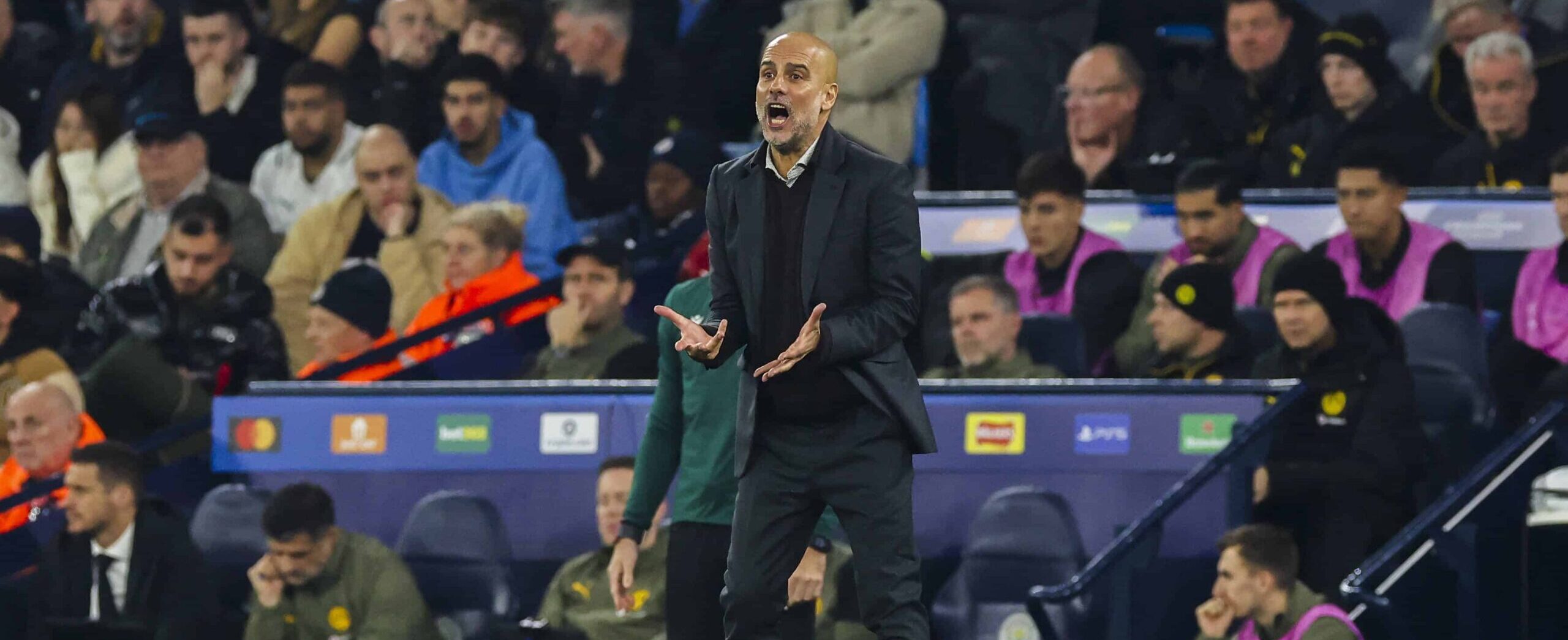
A fresh interview with Gabriel Jesus has once again placed Pep Guardiola’s intensity under the spotlight, with the Arsenal forward offering one of his most reflective accounts yet of his Manchester City years. Speaking to Brazilian outlet Globo Esporte, Jesus mixed admiration with a hint of concern, describing Guardiola as “intense… past the limit”, even suggesting the manager’s demands “aren’t great for his health”. It’s a line that immediately caught attention across Europe, particularly with several English outlets already echoing similar sentiments in recent seasons.
What stands out here isn’t just nostalgia or the usual tribute to Pep’s methods; it’s the honesty about how that intensity moulded, exhausted, inspired and—at times—overwhelmed a young forward still learning elite European football. Jesus’ five-and-a-half years at City delivered trophies, tactical evolution and personal frustration in equal measure. And while he insists he left on good terms, you can sense how deeply that era still shapes him at Arsenal today.
With the Premier League entering its decisive winter stretch, Jesus’ words land at an interesting time for both clubs. Whether you view them as admiration, critique, or simply honesty, there’s a wider question underneath: is Guardiola’s relentless style sustainable long-term, for players and manager alike?
Gabriel Jesus on Pep Guardiola’s intensity
Jesus didn’t hesitate when asked to sum up his former manager: “Intense. He is intense.”
Pressed on whether that was positive or negative, he offered both admiration and concern. Guardiola’s obsessiveness, he said, is “for the good of football”, but “nothing in excess is good… he goes past the limit”.
Those early days in Manchester were full of strict corrections and small-detail adjustments. Jesus recalled Guardiola stopping full sessions to fix his futsal-influenced ball control, later admitting the changes became automatic. It’s the kind of insight that only those inside City’s training ground ever truly understand.
The mental strain of Guardiola’s routine
Training under Guardiola is often described as exhausting—and Jesus didn’t deny it.
Daily video analysis, positional instructions, and tactical breakdowns pushed players to the edge mentally. “Some days you feel tired mentally,” he said, adding that the intensity is ultimately what keeps City fighting for trophies every season.
Importantly, Jesus insisted the demands never felt unfair. They were simply the standard at an elite club.
Adapting to the positional game
One of Jesus’ most interesting reflections concerned his tactical role.
He pushed back against the common narrative that Guardiola restricted him, saying the real challenge was understanding when to move and when to stay.
He explained that Pep wanted him high at times because the ball would eventually arrive. But he was never told to stay fixed up front. When he drifted deeper to link play, the manager accepted it was part of his natural game.
The emotional moment that almost made him leave City
The now-famous false-nine episode—when Zinchenko started ahead of him after a week of training as the No.9—was addressed again. Jesus admitted it pushed him to consider leaving but stressed it wasn’t the reason he eventually departed.
He credits Guardiola for his development and says their relationship remains affectionate. “When I meet him, we hug… we rarely talk about football. It’s more about family.”
Our View: What Jesus’ remarks really tell us
Having covered Manchester City closely for years, what strikes me is how similar Jesus’ comments are to those made privately by former City players. Guardiola’s intensity is both his magic and his curse: it elevates careers but drains mental bandwidth at a pace few managers can match.
Although some fans might interpret Jesus’ comments as criticism, there’s a nuance here: he credits Pep for his evolution while acknowledging the emotional toll. That duality is something many ex-City players echo.
From an Arsenal perspective, this interview also reveals why Mikel Arteta values Jesus so highly. He has lived the peak version of positional play under Guardiola, and that experience still shapes his movements, his pressing, and his tactical awareness.
There’s also an interesting counterpoint: Jesus describes himself as someone who needs freedom to drop deep and create. Arteta’s system allows that more than City’s did post-Haaland. This may partly explain his decision to leave even without any personal issue with Guardiola.
Added Tactical Forward View
Jesus’ reflections hint at something Arsenal may lean into over the winter: using him as a hybrid nine/ten in matches where the midfield lacks ball-carriers. His comfort drifting between lines is something neither Nketiah nor Havertz naturally replicates. If Arsenal struggle for fluency—especially in games without Ødegaard—Jesus’ movement could become a key lever for Arteta.
Key Insights
- Jesus describes Guardiola as “intense… past the limit”, both praise and concern.
- He highlighted the mental strain of Pep’s training routines.
- Tactical freedom was not restricted as widely believed.
- The Zinchenko false-nine incident was painful but not the reason he left City.
- Arteta may use Jesus’ hybrid skillset more as injuries and fixture congestion hit.
What’s Next
Arsenal face Tottenham on 23 November 2025, and Arteta will likely lean on Jesus’ versatility as fixture load increases. For Manchester City, questions about Guardiola’s long-term sustainability continue to hover—particularly as former players speak more openly about the mental demands.
👉 Over to you — do you think Pep’s intensity is a blessing or a long-term problem for his players?



0 Comments
First read message
Leave a comment
Your email address will not be published. Required fields are marked *