



















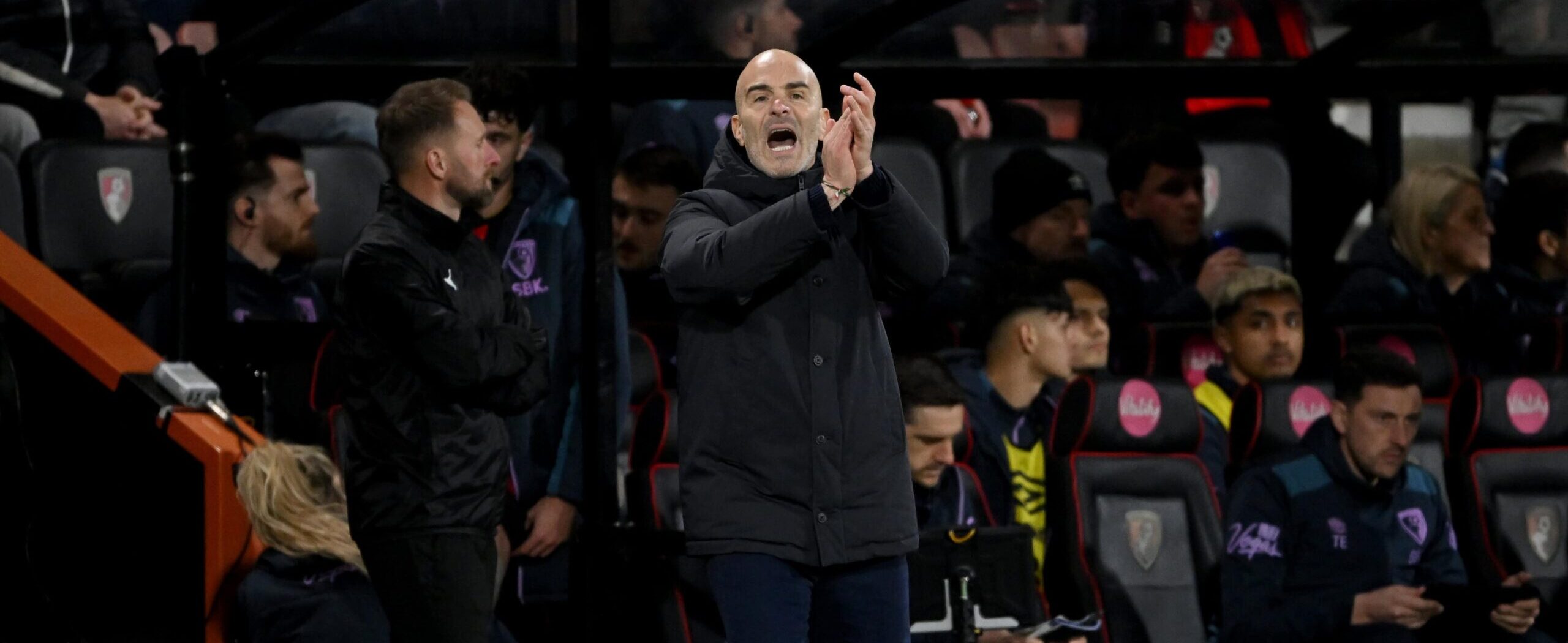
At the end of November, Chelsea looked like a side ready to take a genuine step forward. A statement 3–0 win over Barcelona in the Champions League was followed by a resilient draw against Premier League leaders Arsenal despite spending most of the match a man down.
Those results fuelled optimism that Enzo Maresca’s developing team were ahead of schedule. But two weeks is a long time in football, and Chelsea have once again fallen into a familiar mid-season spiral. A point from their last two league fixtures, defeat at Atalanta in Europe, and a physically drained squad have dragged the mood from hopeful to anxious.
The warning signs existed long before December arrived — yet Chelsea pushed ahead with their “project” approach, trusting youth, rotation and long-term planning over the immediate demands of playing twice a week at the highest level. They have walked into a winter slump that many inside the club suspected was coming.
Last season’s pattern repeating
This isn’t the first time Maresca has overseen a sharp winter downturn. A year ago, Chelsea entered December on a six-match winning streak before collapsing into a five-game Premier League winless run. The club publicly distanced themselves from the idea of a title challenge, and perhaps subconsciously, the players followed suit.
The slump ended in late January, but not before Chelsea surrendered momentum and drifted into a race for the top four. They escaped with a fourth-place finish on the final day, but the season had already shifted from promise to damage limitation.
The similarities this time are unmistakable: early-season structure, strong results, rising hope — followed by a drop in intensity, fading fitness and growing inconsistency.
Why this winter’s slump feels different
There are structural reasons this season has been harder. Last year, Chelsea benefited from playing the Conference League’s six-match league phase, allowing Maresca to rest key players and rotate heavily without consequences. Opponents in Europe were weaker and travel lighter. Cole Palmer wasn’t even registered until the knockout rounds.
This year? Chelsea are back in the Champions League, which means eight league-phase fixtures, elite opposition and minimal rotation. The early-season high-energy style was always going to be difficult to maintain while playing every three or four days.
Add to that:
- A bloated Club World Cup campaign in the summer
- A shortened pre-season
- Heavy weekly travel
- A young squad with limited experience handling this rhythm
The numbers underline the strain. The Athletic calculated that Maresca has made 119 changes to his starting XI across 23 matches — the highest rotation rate in the league. Even he admitted after the defeat in Bergamo: “Eight or nine players have played Tottenham, Barcelona, Wolves, Arsenal. They’re playing almost all the games.”
This is not sustainable — and Chelsea knew it long before the fixture list tightened.
Recruitment negligence and a squad built for the future, not the present
Chelsea added eight new players in the summer, but many were long-term prospects rather than match-ready contributors. At the same time, they sold six players who had been central last season.
Of the new arrivals, only João Pedro and Liam Delap could make an argument to be in Chelsea’s strongest XI — and even then, neither significantly upgrades last year’s group. Meanwhile, millions continue to be invested into teenagers who may never play a meaningful senior minute.
This left the squad thin in experienced, peak-age talent. Maresca subtly hinted at this after the Leeds defeat, when he compared replacements to the missing starters:
“Andrey is not Moi. Tosin is not Wes. They have different levels. This is reality.”
This is where Chelsea’s “project” is undermining their manager. Framing the season as transitional while spending billions places unfair expectations on an inexperienced squad and an emerging coach.
Overreliance on Palmer and Caicedo
Despite vast spending, Chelsea have only two consistently elite performers:
- Cole Palmer
- Moises Caicedo
Their influence is unmistakable. Without Caicedo, Chelsea rarely control midfield; without Palmer, they rarely create enough to compensate. Since the Ecuadorian’s red card against Arsenal, Chelsea have not won a match — even with his return for Atalanta.
For a club of this scale and investment, the lack of top-tier match-winners is glaring. Enzo Fernández remains solid but unspectacular. The winger rotation offers quantity, not difference-makers. Estevão Willian shows glimpses but remains raw.
Chelsea have built a squad for five years from now — but they are being judged in the present.
A manager holding the project together
Maresca’s inexperience is frequently highlighted, but he has done well to keep a youthful, inconsistent squad competitive amid the noise surrounding Chelsea. He has improved the team tactically, instilled discipline in build-up phases, and shown he can manage personalities with patience.
But he is repeatedly let down by structural issues above him — from squad construction to leadership gaps. Chelsea's two oldest senior outfield players being Tosin Adarabioyo and Robert Sánchez is symbolic of the imbalance.
Maresca is building a framework. Chelsea’s hierarchy must give him players capable of executing it at the highest level.
Winter gauntlet ahead — and the warning signs
Chelsea host Everton next, a match they would expect to win but cannot take for granted. Trips to Newcastle and home meetings with Aston Villa follow — fixtures that expose any physical or emotional weakness. Matches against Bournemouth and Manchester City bracket the New Year.
The risk of supporters turning quickly is real. Stamford Bridge has grown restless in recent years, and slow starts or lack of sharpness are punished with groans and anxiety.
The Carabao Cup and FA Cup draws have offered respite — Cardiff City and Charlton Athletic — giving Maresca a chance to rotate and recover fitness. But the league run will define their season.
Chelsea talked themselves out of contention — again
In our view, Chelsea were never genuine title contenders. They lacked squad depth, lacked experience, lacked star power — and above all, lacked the structural readiness required to challenge across all competitions.
Their belief in a long-term project is admirable, but not when it becomes an excuse for poor planning. Chelsea can preach patience, but they cannot spend billions and then reject expectations.
This winter slump is not an anomaly — it is the natural outcome of building for tomorrow while pretending to compete today. At some point, Chelsea must stop “kicking the can down the road” and build a squad capable of winning in the present, not just the future.
Key Insights
- Chelsea’s promising November has collapsed into another winter downturn.
- Heavy Champions League demands, Club World Cup fatigue and a young squad are fuelling the slump.
- Recruitment left the team thin on ready-made quality and overreliant on Palmer and Caicedo.
- Maresca is improving the team but lacks experienced leaders.
- A tough December fixture list threatens to deepen the crisis.
What’s Next?
Chelsea face Everton on Saturday as pressure grows on results and performances. December will reveal whether the club have enough resilience — and enough quality — to stay in Champions League contention.
👉 Chelsea fans — is the slump on Maresca, the squad, or the project itself?
0 Comments
First read message
Leave a comment
Your email address will not be published. Required fields are marked *