



















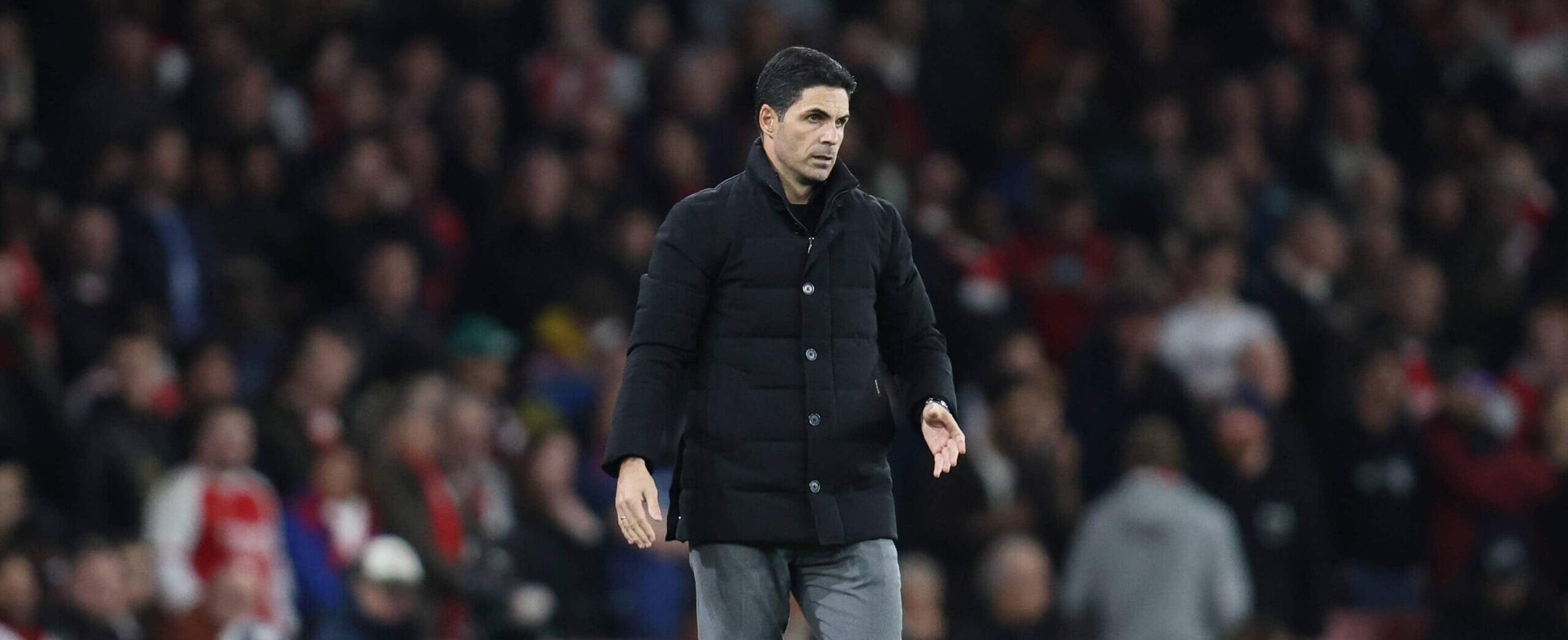
Arsenal remain in pole position in the Premier League title race, but as the season moves into its decisive phase, a subtle tactical imbalance is beginning to attract attention around Mikel Arteta’s otherwise impressive setup.
The Gunners have led the table for much of the campaign and built a seven-point cushion, yet underlying trends suggest their margin for error may be slimmer than the league position implies. At the heart of the issue is an increasing reliance on set-pieces and second-phase dead-ball situations to secure victories.
Numbers highlight a narrow path to wins
Arsenal have collected 11 of their 15 Premier League wins this season in matches where their first goal arrived either directly from a set-piece or from the immediate second phase that followed. While their dead-ball efficiency has rightly earned praise, the lack of alternative routes to victory is notable.
In fact, Arsenal have only won two league games this season without scoring from a set-piece scenario: home victories over Brentford and Tottenham Hotspur at the Emirates Stadium.
The contrast becomes starker when examining dropped points. In each of the seven league matches Arsenal have failed to win — five draws and two defeats — they have been unable to profit from dead-ball situations. Those games include stalemates against Nottingham Forest, Chelsea, Sunderland and Manchester City, defeats to Aston Villa and Liverpool away, and a goalless draw at home.
Open-play output still inconsistent
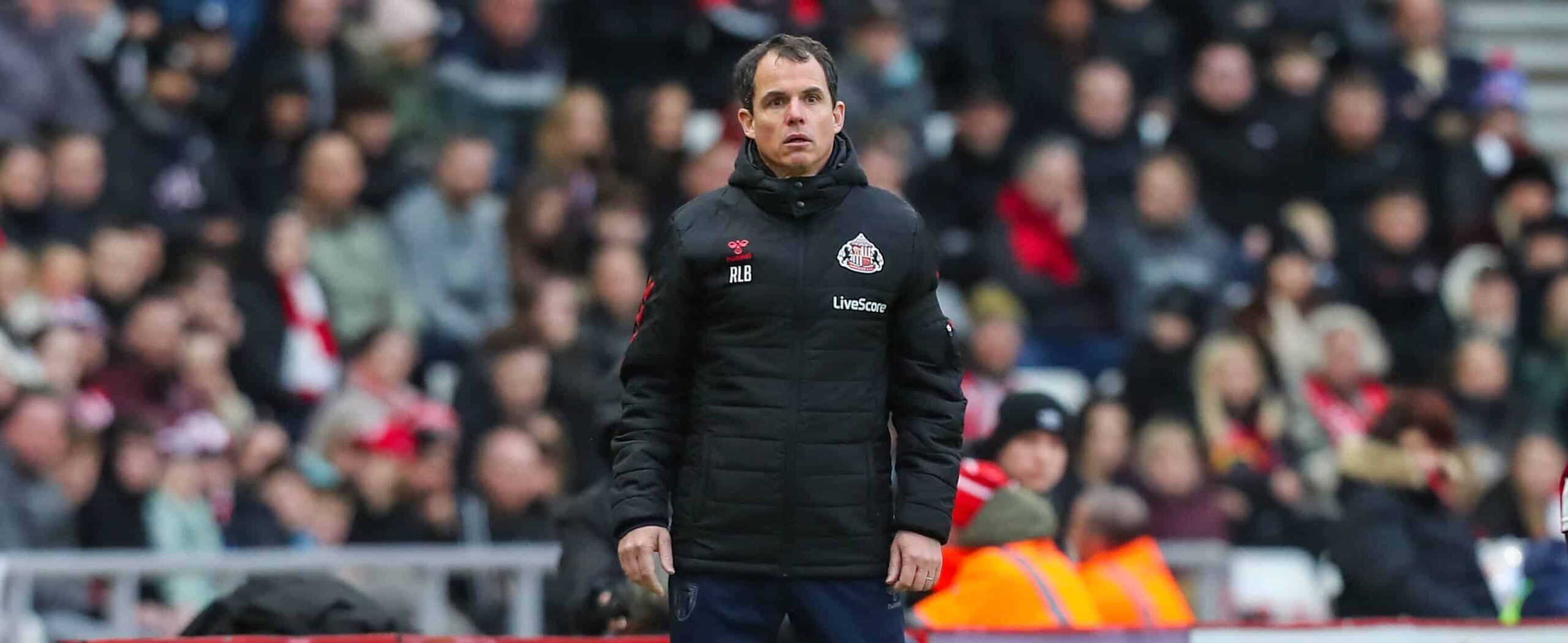
There have been exceptions. At the Stadium of Light, Arsenal scored twice from open play, though ironically Sunderland’s opener came from a set-piece. Still, the broader pattern remains difficult to ignore.
Having followed Arsenal closely this season, the issue is not creativity alone but predictability. When set-pieces are neutralised by disciplined opponents, Arteta’s side have sometimes struggled to turn territorial dominance into goals from open play.
Arteta’s philosophy is clear — and deliberate
Arteta has never hidden his ambition to dominate every phase of the game. Speaking in December 2024 after a win over Manchester United, he made clear that set-pieces were part of a wider obsession with marginal gains.
“We want to be the kings of everything,” Arteta said at the time. “At set pieces, the best in the world. At the high press, the best in the world. Attacking open spaces, the best in the world.”
That philosophy has translated into tangible results, particularly in Europe. On Tuesday night, Arsenal’s 3–1 Champions League win away at Inter Milan again underlined the value Arteta places on dead-ball scenarios, with Gabriel Jesus scoring from a rehearsed corner routine.
Title race margins tightening
For now, Arsenal’s lead remains intact, aided by inconsistent form from challengers such as Manchester City and Aston Villa. But as fixtures tighten and tactical familiarity increases, the risk is clear: an overdependence on one scoring avenue could be exposed in high-stakes matches.
However, it remains too early to draw firm conclusions. Arsenal’s structure is sound, their defensive record strong, and their ability to manufacture goals from rehearsed situations elite by European standards.
Key Insights
- Arsenal rely heavily on set-pieces for league victories.
- Only two wins have come without dead-ball involvement.
- All dropped points correlate with a lack of set-piece goals.
- Arteta openly prioritises marginal gains from dead balls.
- Title rivals have yet to fully capitalise.
What’s Next
As the title race intensifies, Arsenal’s focus will be on adding greater variety to their attacking output without sacrificing their set-piece dominance. Upcoming fixtures against well-organised defences will offer a clearer indication of whether adjustments are already underway at the Sobha Realty Training Centre.
Much will depend on whether Arsenal can consistently convert sustained pressure into open-play goals when margins tighten.
Can Arsenal balance their set-piece dominance with greater open-play threat before the title run-in?

1 Comment (last comment by Piquet)
First read message
By Piquet 22 Jan 2026 21:31
They need a player who is comfortable running the ball into/past a low block. And allowing that player to do so. There are several. See comes to mind - but the threat of losing control seems to be greater than the benefit of a beautiful goal or at least shot.
Leave a comment
Your email address will not be published. Required fields are marked *